MVR Evaporation System
- Technical Principles
MVR (Mechanical Vapor Recompression) is an advanced evaporation technology that achieves high efficiency and energy saving by recovering and utilizing the latent heat of secondary steam. Compared with traditional single-effect and multi-effect evaporators, its core advantage lies in significantly reducing energy consumption and operating costs .
In the MVR evaporation system, the material boils and evaporates due to heat during operation. The MVR system can recover and pressurize the evaporated water vapor, using a small amount of mechanical energy to improve the heat quality of the steam so that it can be reused as a heat source. The reused steam releases all its latent heat in the heater and then condenses into water, effectively utilizing all the large amount of latent heat it contains. This greatly reduces the consumption of fresh steam and significantly improves the economic efficiency of evaporator operation.
- Equipment Composition
MVR evaporation systems offer flexible and diverse process options, with evaporator types designed to suit different material characteristics: rising film evaporators, falling film evaporators, forced circulation evaporators, natural external circulation evaporators, and central circulation tubular evaporators, etc.
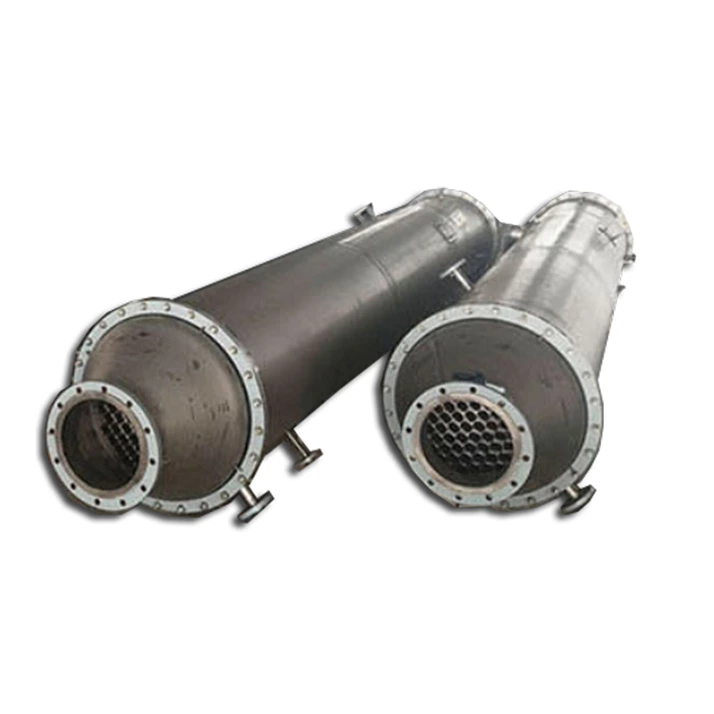
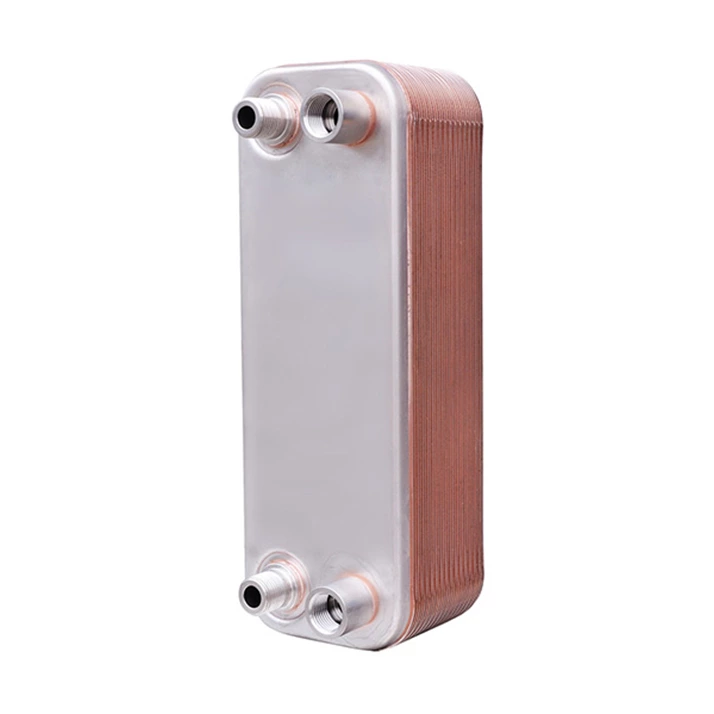
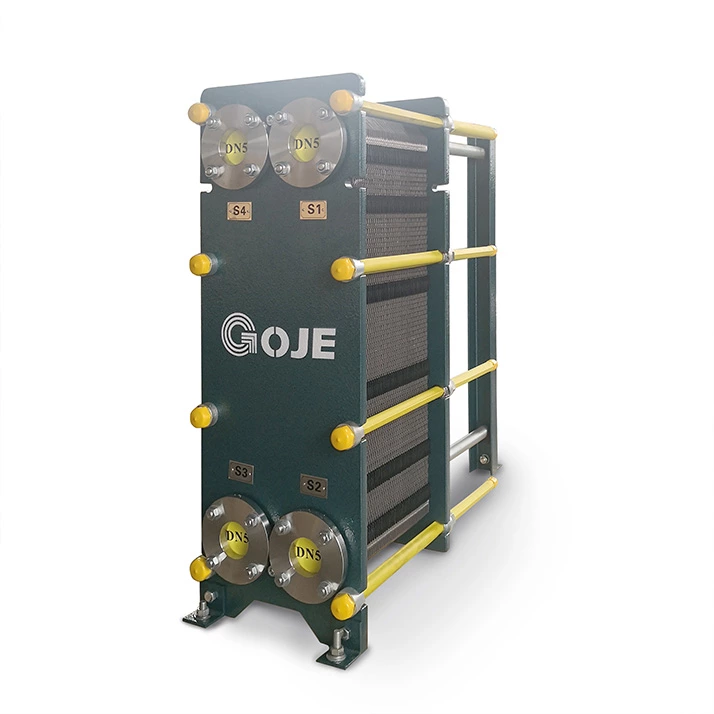
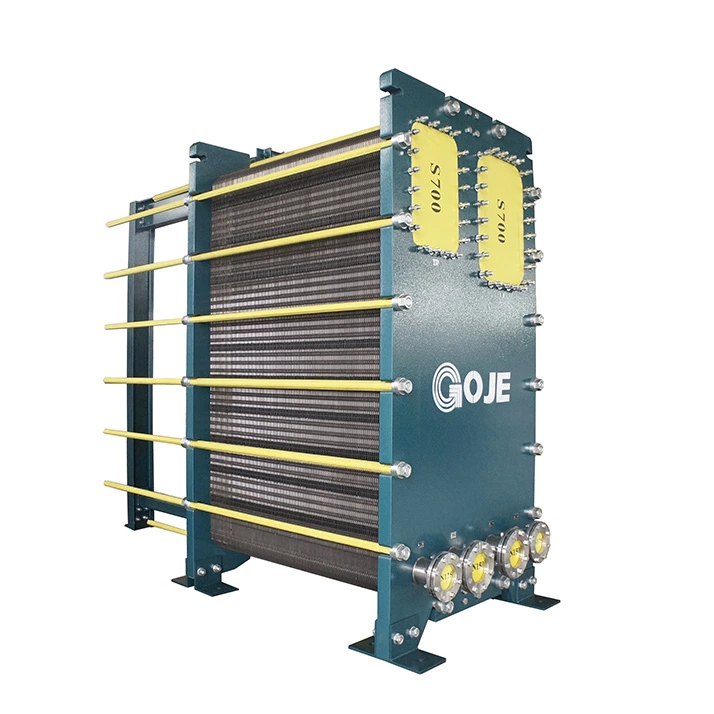
MVR evaporation systems offer flexible and diverse process options, allowing for the use of plate evaporators or shell-and-tube evaporators. Depending on the characteristics of different materials, suitable evaporator types can be designed, including membrane evaporators, forced circulation evaporators, natural external circulation evaporators, and central circulation tube evaporators.
The steam compressors widely used in MVR evaporation systems include Roots, centrifugal, and screw compressors. However, in actual operation, a higher compressor operating pressure differential is not always better. Under specific MVR evaporator conditions, a lower compressor operating pressure rise actually indicates a better system operating condition, higher system stability, and lower evaporation unit consumption.
- Energy saving
Based on a steam price of 220 yuan/ton and an electricity price of 0.7 yuan/kw·h, the operating cost of a single-effect, triple-effect, and MVR evaporation system with an evaporation capacity of 10t is calculated as follows: the cost per ton of water for single-effect evaporation is approximately 250 yuan, for triple-effect evaporation it is approximately 110 yuan, and for MVR evaporation it is approximately 45 yuan.
- Device Features
MVR evaporation systems primarily consume electrical energy or other forms of mechanical energy, significantly reducing live steam consumption and resulting in low operating costs.
MVR evaporation systems have a compact layout, low circulating water consumption, and small footprint.
MVR evaporation systems can achieve low-temperature evaporation, making them particularly suitable for the evaporation of heat-sensitive materials.
MVR evaporation systems have a short process flow, a high degree of automation, are easy to operate, and require less labor.
- Application Scope
MVR evaporation systems are used for evaporation of materials with low boiling point elevation. Materials with high boiling point elevation can also be concentrated using MVR systems. Combined with multi-effect treatment, this minimizes system operating costs.
MVR systems are widely used in evaporation, concentration, and crystallization in the fields of coal chemical industry, petrochemical industry, new materials, pharmaceuticals, food processing, and bio-fermentation.
MVR evaporation systems can be used to treat common inorganic salt solutions/wastewater evaporation systems, including: sodium chloride, sodium sulfite, sodium sulfate, ammonium sulfate, ammonium chloride, potassium sulfate, potassium chloride, low-concentration calcium chloride, manganese sulfate, zinc sulfate, cobalt sulfate, nickel sulfate, lithium sulfate, magnesium sulfate, lithium hydroxide, potassium hydroxide, sodium hydroxide, sodium nitrate, potassium nitrate, calcium nitrate, ammonium nitrate, etc.