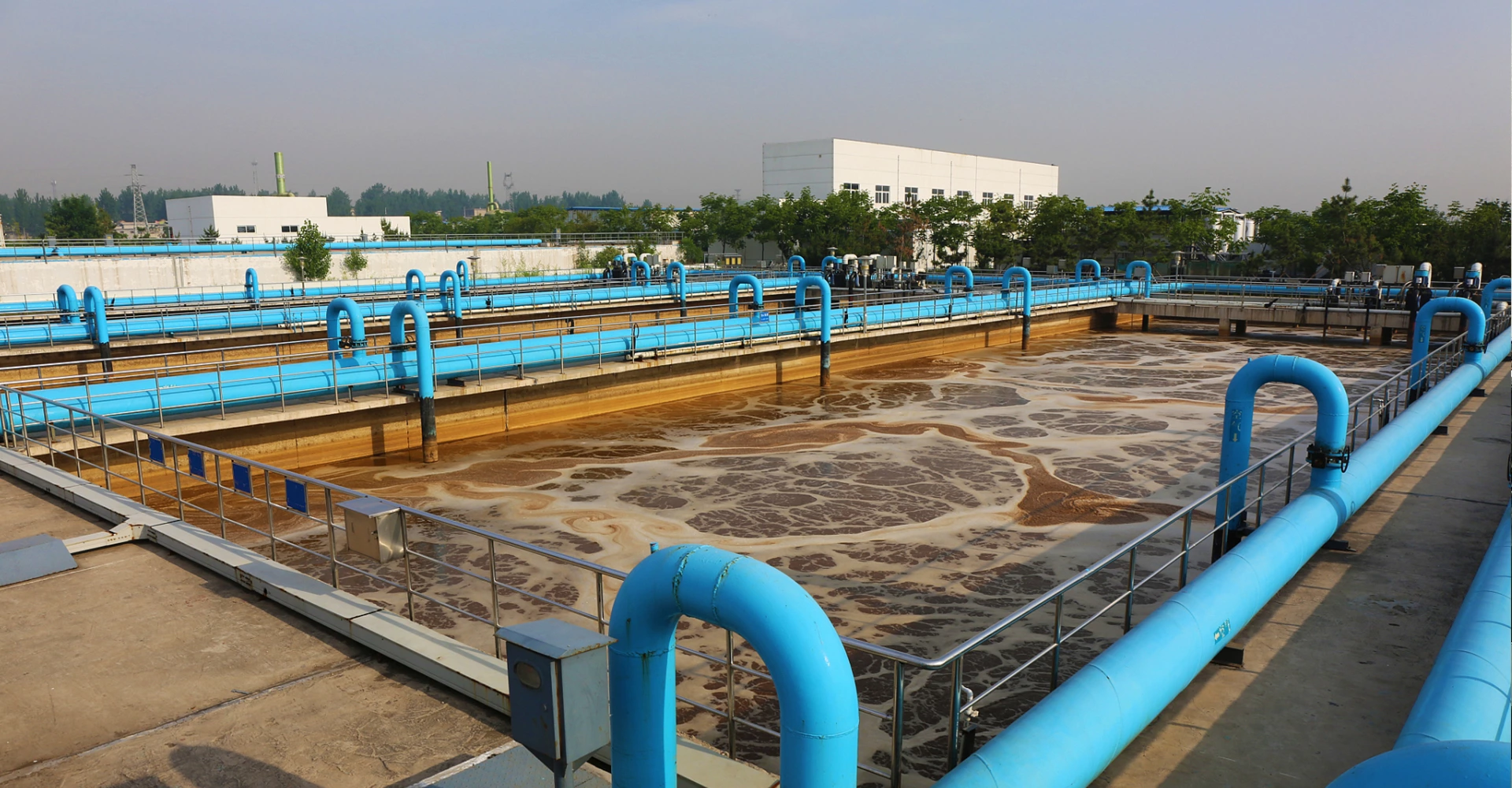
Wastewater Treatment System

Wastewater Treatment System

Wastewater treatment processes play a crucial role in environmental protection and the sustainable utilization of resources.
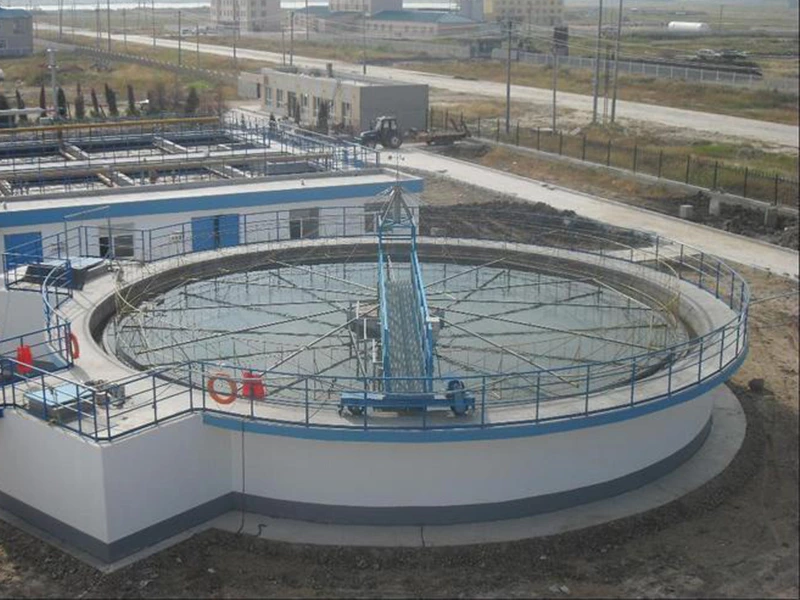
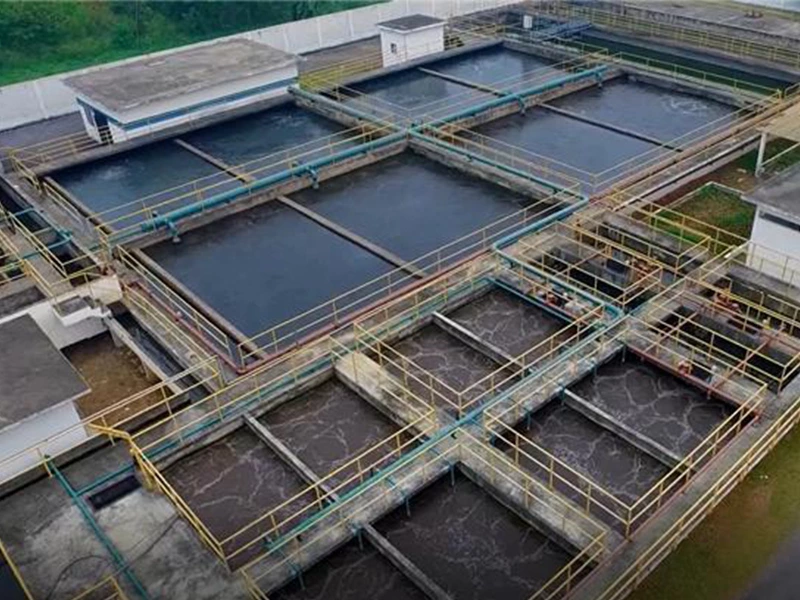
Pre treatment sedimentation facilities (equipment) for water treatment

Pre treatment sedimentation facilities (equipment) for water treatment

  • The reaction facilities include eddy current reaction tanks, perforated cyclone reaction tanks, mechanical stirring reaction tanks, magnetic separation technology and high-efficiency cyclone technology;
  • sedimentation facilities include advection sedimentation tanks, inclined tube (inclined plate) sedimentation tanks and mixed High-density settling tanks, mechanically accelerated clarifiers, hydraulic circulation clarifiers, etc.
Pre treatment filtration facilities (equipment) for water treatment

Pre treatment filtration facilities (equipment) for water treatment

  • Filtration is the main process link in the water purification process, and the filtration effect directly affects the quality of pretreated water. There are many types of filters, such as ordinary rapid filters, siphon filters, V-shaped filters and valveless filters.
  • Commonly used filtration forms in industrial water treatment processes include ordinary rapid filters, V-type filters, valveless filters, and filters.
Membrane treatment equipment for water treatment

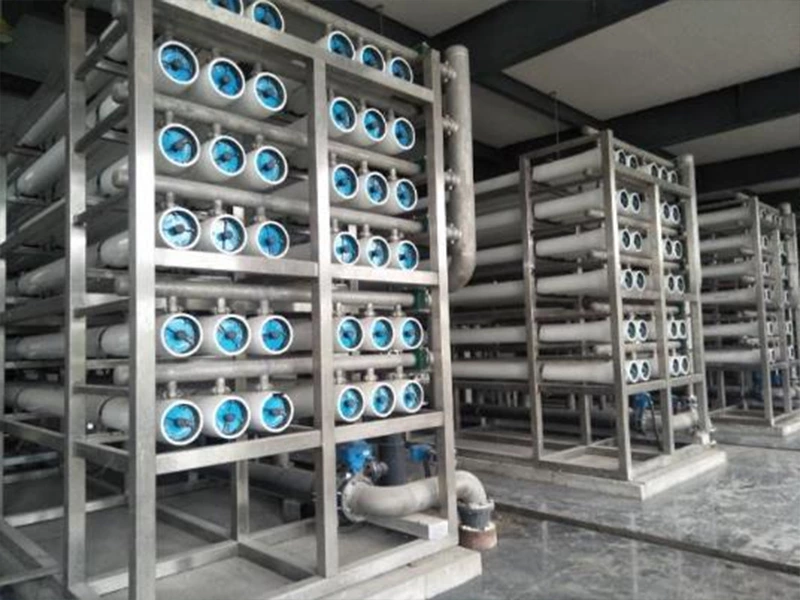
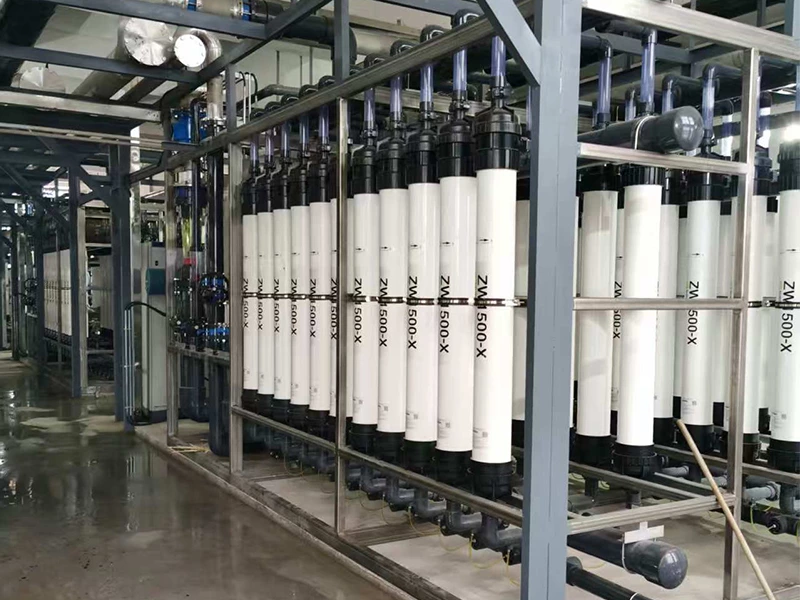
Membrane treatment equipment for water treatment

  • The foundation of the membrane treatment process is separation.
  • According to the average pore size of the membrane, it can generally be divided into four categories: microfiltration (MF), ultrafiltration (UF), nanofiltration (NF), and reverse osmosis (RO). 
Softening treatment equipment for water treatment

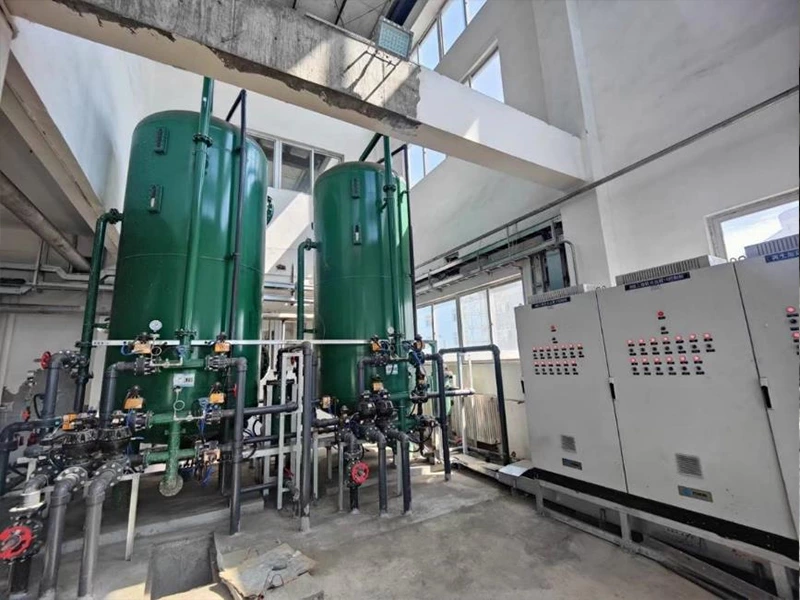
Softening treatment equipment for water treatment

  • Softening treatment is to reduce the hardness of water and reduce the risk of membrane permeation scaling, thus ensuring water recovery and safe and stable operation of the membrane system.
  • Common softening methods are ion exchange method, pharmaceutical softening method.
Sludge dewatering equipment

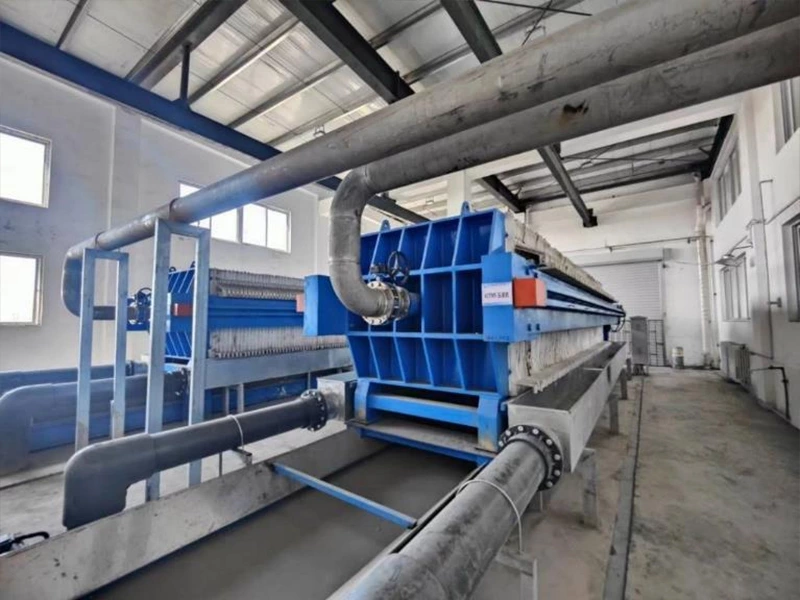
Sludge dewatering equipment

  • The main purpose of mechanical dehydration is to reduce the moisture content of sludge, reduce the volume of sludge, reduce transportation costs, and facilitate the subsequent disposal and utilization of sludge. 
  • The purpose of sludge dehydration and drying is to remove a large amount of water in the sludge, reduce its volume, and reduce its weight.
  • Commonly used dehydration machinery includes: membrane filter press, belt filter press, and horizontal centrifugal dehydrator.
Zero discharge of high salt and organic wastewater

Zero discharge of high salt and organic wastewater

  • Pretreatment: mainly including soften reaction tank, coagulation sedimentation tank, etc
  • Evaporation: including multi effect evaporation, MVR, etc
  • Biological treatment: mainly using membrane bioreactor (MBR)
  • Advanced treatment: membrane process(NF,RO),non membrane process such as "secondary fenton oxidation+biological treatment" have also begun to be used in engineering
Zero discharge of high organic wastewater

Zero discharge of high organic wastewater

  • Pre treatment: mainly including anaerobic and coagulation sedimentation;
  • Biological treatment: mainly using membrane bioreactor (MBR);
  • Advanced treatment: membrane process(NF,RO),non membrane process such as "secondary fenton oxidation+biological treatment" have also begun to be used in engineering
     
Zero discharge of high salt wastewater

Zero discharge of high salt wastewater

  • Pre treatment: mainly including high-density tanks, V-shaped filters, etc;
  • Membrane treatment: mainly using ultrafiltration, nanofiltration, reverse osmosis, and softening membranes;
  • Evaporation: including multi effect evaporation, MVR, etc

GOJE cutting-edge technology provides comprehensive system solutions

Environmental protection

Environmental protection

Remove harmful substances from wastewater to prevent pollution of water bodies, soil and ecosystems. Avoid the toxic effects of toxic wastewater on aquatic and terrestrial organisms, and maintain ecological balance.Remove harmful substances from wastewater to prevent pollution of water bodies, soil and ecosystems. Avoid the toxic effects of toxic wastewater on aquatic and terrestrial organisms, and maintain ecological balance.

Resource recycling and reuse

Resource recycling and reuse

The treated wastewater can be safely discharged or reused, alleviating the problem of water shortage. It can also be used for irrigation, industrial cooling, flushing toilets, etc., reducing freshwater consumption.

Economic and social benefits

Economic and social benefits

Preventing pollution is more economical than dealing with it after the fact. The construction, operation and technological research of wastewater treatment facilities drive the development of related industries.

Industrial and agricultural applications

Industrial and agricultural applications

Reduce the water costs of enterprises and meet environmental protection compliance requirements. The treated wastewater avoids soil salinization and crop contamination, and enhances the safety of agricultural products.

Tackle climate change

Tackle climate change

Properly treating wastewater can prevent the methane produced by the natural decomposition of organic waste and reduce the greenhouse effect.

Protect public health

Protect public health

Reduce the spread of water-borne diseases such as cholera and dysentery. At the same time, filter out carcinogens and microorganisms from industrial wastewater to ensure the safety of drinking water.

JIANGSU GAOJIE ENERGY SAVING EQUIPMENT GROUP CO.

SEND A MESSAGE

Feel free to fill out our contact form below and our support team will get back to you within 24 hours.

This site uses cookies

We use cookies to collect information about how you use this site. We use this information to make the website work as well as possible and improve our services.more details