What issues should you consider when purchasing a high-salt wastewater evaporator?
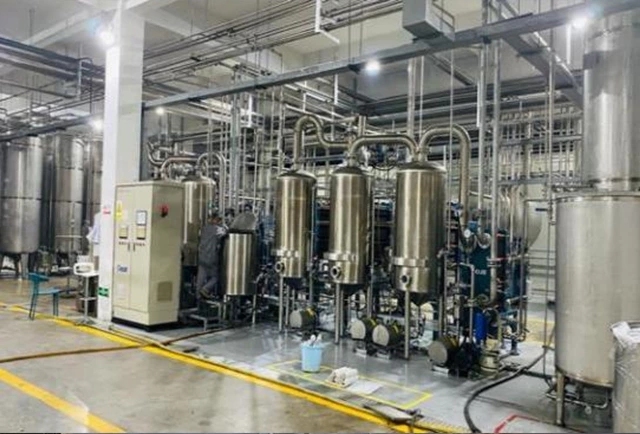
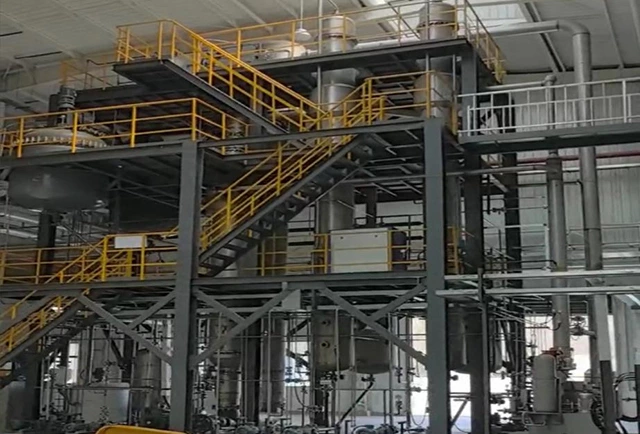
High-salt wastewater evaporators are a technologically advanced type of evaporator with wide applications.
1. Salt Evaporation: When purchasing a high-salt wastewater evaporator, it's essential to understand its salt output characteristics. Generally, there are two methods: centrifuge-based salt output and a salt outlet combined with a crystallization tank. The former results in very low water content, while the latter precipitates salt in crystal form, also with low external moisture content. It's crucial to choose the appropriate salt output method.
2. Selecting the Right Type: For salt evaporation, forced circulation evaporators are preferred. If the salt concentration is not too high, a combination of a pre-filter falling film evaporator and a forced circulation evaporator can be used. For other non-salt evaporations, a falling film evaporator is the best choice.
3. COD Removal Rate During Evaporation: The COD in wastewater is mainly determined by the amount of organic matter it contains. The organic matter in wastewater may be low-boiling point or high-boiling point. If it is low-boiling point organic matter, then it needs to enter the heating and cooling system with the condensate during the evaporation process. In this case, the COD in the condensate cannot be reduced.
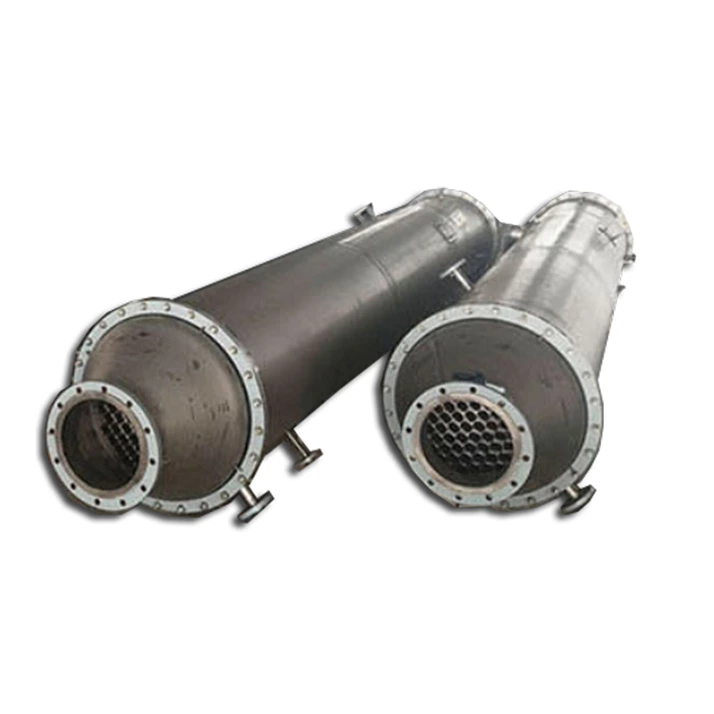
When purchasing evaporators for high-salinity wastewater , we prioritize tubular evaporators manufactured by the Gaojie Group. It's important to pay attention to the points mentioned above, focusing on COD removal during the evaporation process. For high-boiling-point organic compounds, they can enter the waste liquid system during evaporation, thus reducing their concentration in the condensate.