Zero discharge treatment of chemical wastewater
I.Mainstream technological routes
The industry-standard mature solution is a combination of pretreatment, biochemical treatment, membrane-integrated deep treatment, and evaporation crystallization.
art:
Pretreatment uses technologies such as electrochemical oxidation to first separate oils and suspended solids, and decompose large molecular pollutants that are difficult to degrade.
thing;
Biochemical treatment utilizes microorganisms to degrade most organic pollutants and reduce the COD of wastewater;
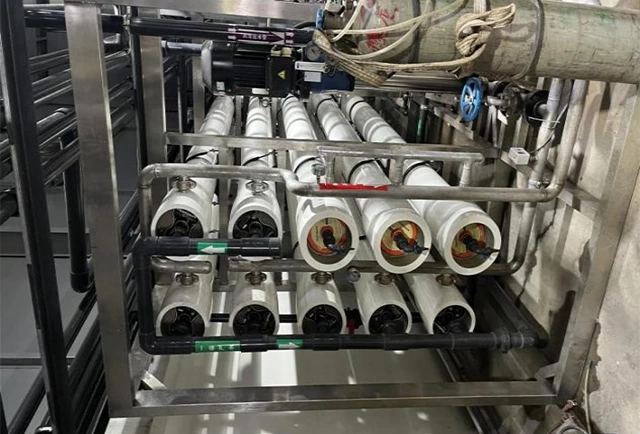
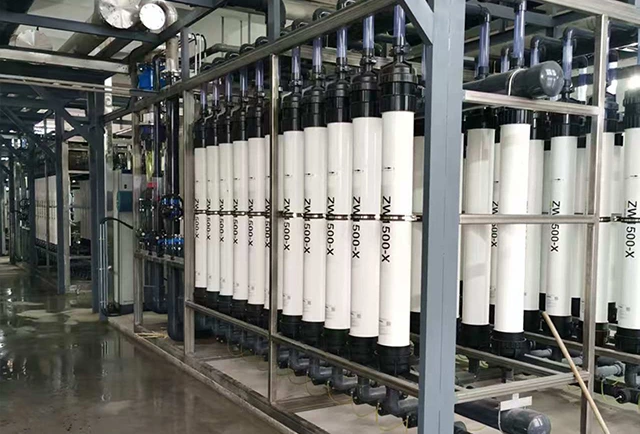
Advanced processing employs a combination of ultrafiltration and reverse osmosis membranes to intercept impurities such as salt and heavy metals, producing a product with a purity of 95%.
The clean water is directly reused in production;
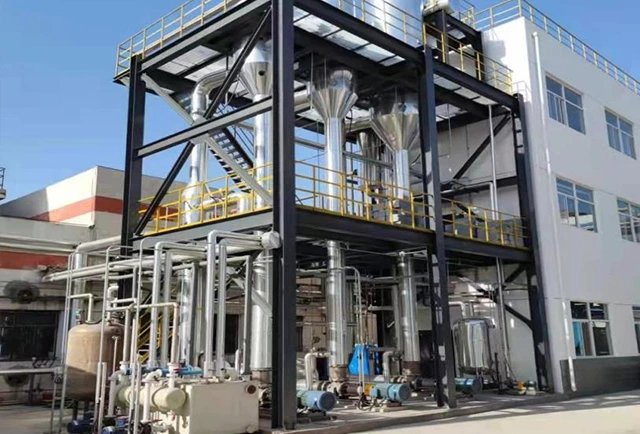
Finally, the remaining small amount of concentrated brine enters the evaporation and crystallization system to completely evaporate the water, yielding crystalline salt.
Achieve zero discharge of all wastewater.
II.Latest Policy Requirements in 2026
In 2026, the Ministry of Ecology and Environment publicly solicited opinions on the "Emission Standards for Water Pollutants from the Petrochemical Industry (Second Round of Drafts)".
(See draft) The document adds three control indicators: total salt content, perfluorooctanoic acid (PFOA), and acute toxicity of zebrafish eggs, requiring the petrochemical industry to...
The industrial wastewater treatment system has been upgraded to a comprehensive, refined process encompassing "pretreatment + biochemical treatment + advanced treatment + desalination + toxicity control".
The governance system will force enterprises to complete zero-emission transformation.
III.Industry Development Trends
Currently, centralized disposal of waste salt in chemical industrial parks has become the mainstream approach, employing a combination of "salt separation and purification + compliant utilization of mixed salts."
This technological closed loop can convert waste salt into qualified industrial salt for resource utilization, significantly reducing the risk of hazardous waste disposal for enterprises.
Cost reduction; future technologies will upgrade towards intelligence and greening, achieving full coverage through big data and artificial intelligence.
Automated process control further reduces energy consumption per ton of water.
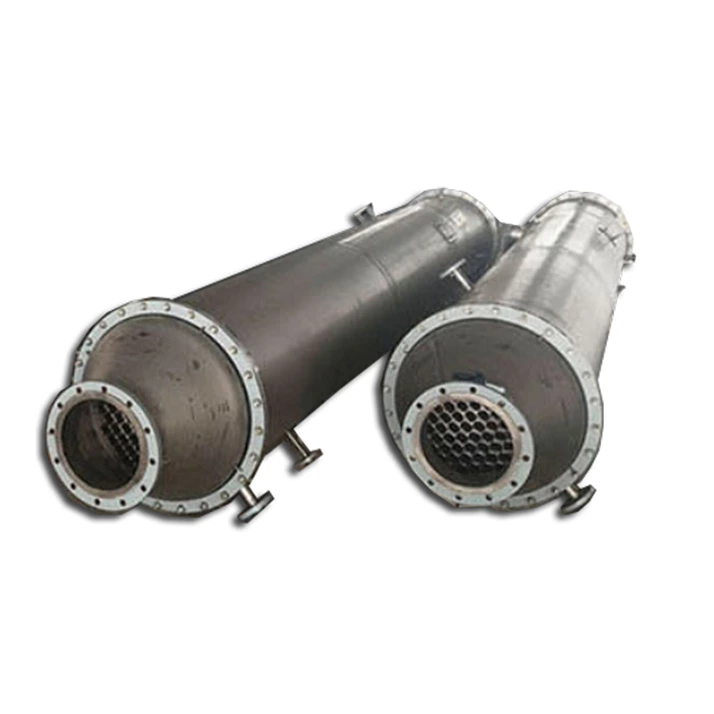
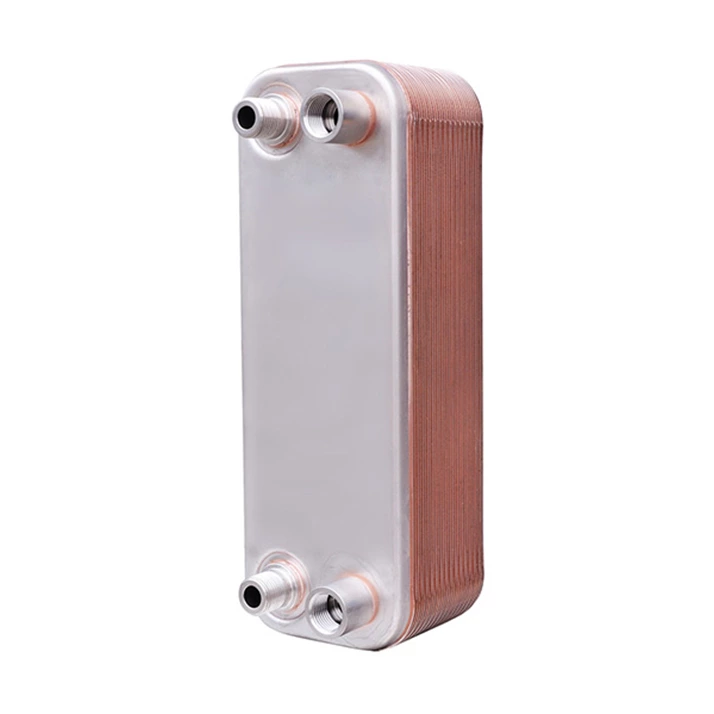
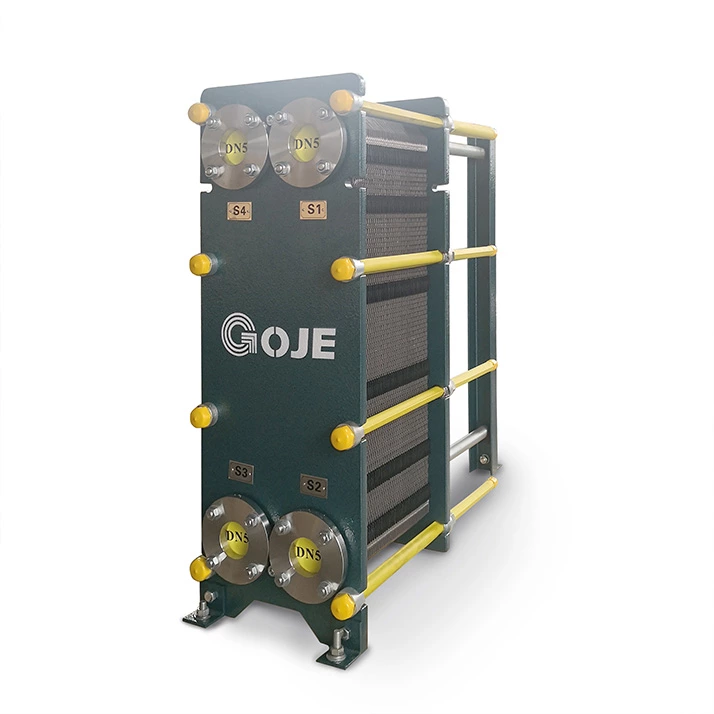
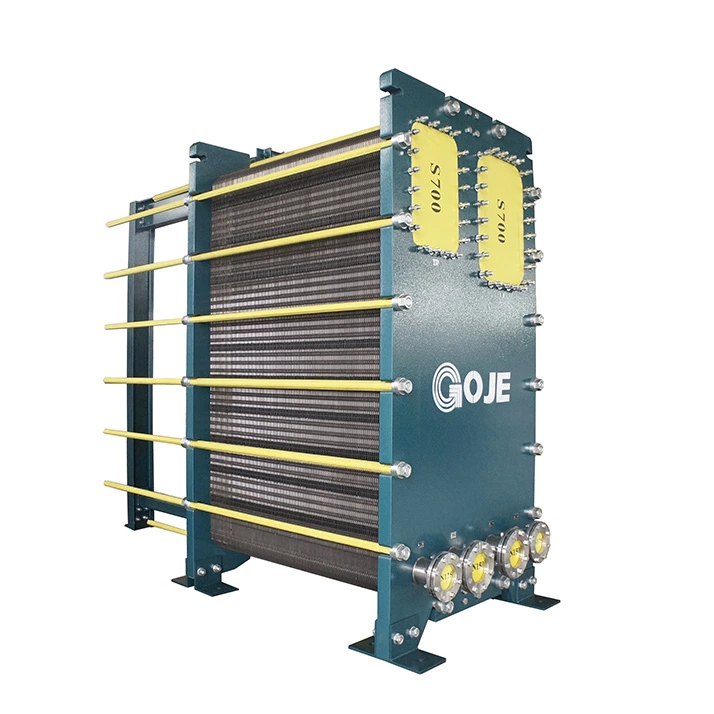
For mature equipment related to zero-discharge treatment of chemical wastewater, refer to the customized solutions of mainstream suppliers in the industry.
It is adapted to the water quality characteristics of different chemical scenarios.
IV.Representative Project Cases of Kaohsiung Jie Group
A sodium hydroxide wastewater treatment project for a printing and dyeing company in Jiangsu Province: evaporation capacity 5 tons/hour, using 316L stainless steel...
Made of steel, the wastewater is concentrated to 16.8% and then reused, saving 100,000 tons of water annually and reducing the amount of hazardous waste disposal by 90%.
Jiangsu Suqian Chemical Sodium Chloride Wastewater Treatment Project: Evaporation capacity 5.4 tons/hour, using TA2 titanium alloy.
The material is designed to withstand highly corrosive conditions, successfully achieving crystallization separation and salt resource utilization.
A sodium chloride wastewater treatment project at a chemical plant in Henan Province; a low-temperature evaporation treatment project for electroplating wastewater at a chemical plant in Jiangsu Province.
All projects have achieved stable operation.