Analysis of the reasons for the poor heat exchange performance of semi-welded plate heat exchangers
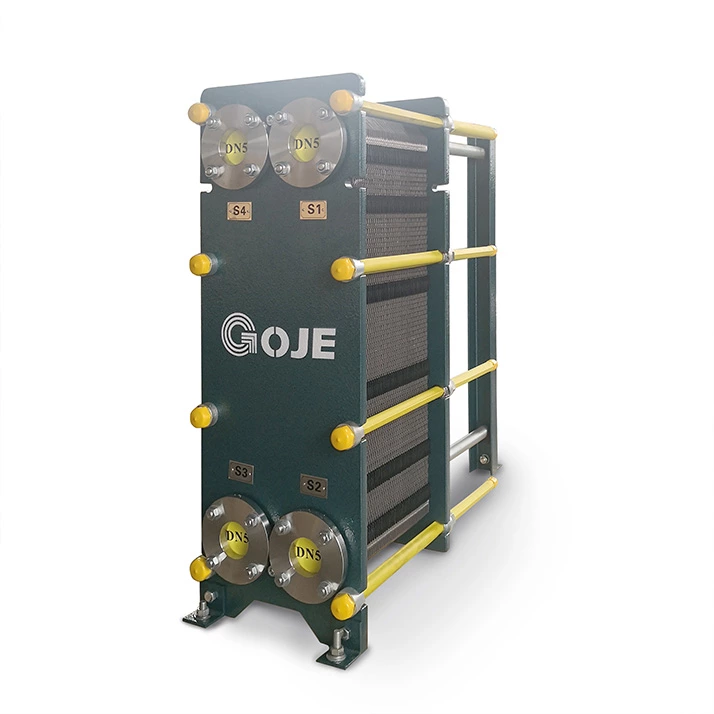
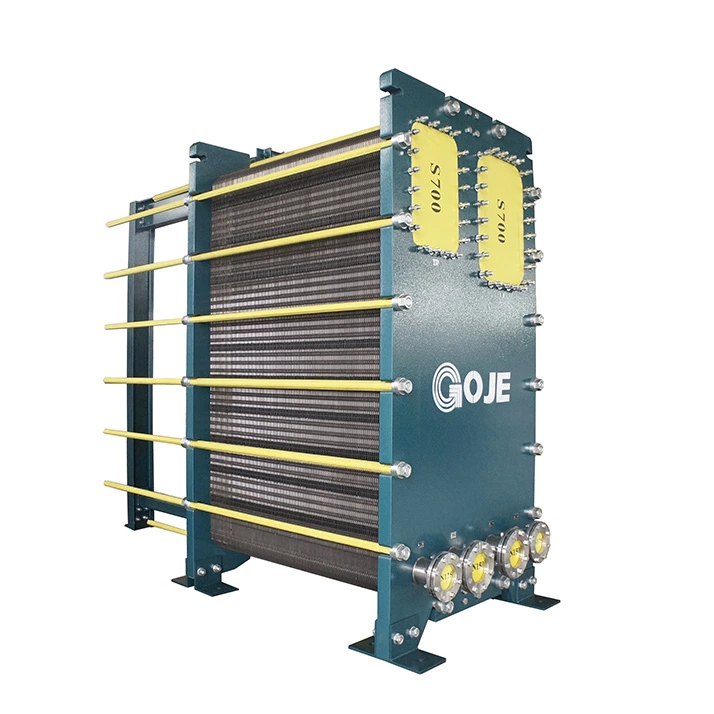
Semi-welded plate heat exchangers are heat exchange products composed of a series of metal plates with specific corrugated shapes stacked together. Thin rectangular channels are formed between the plates, through which heat exchange occurs. They are ideal devices for liquid-liquid and liquid-vapor heat exchange. They feature high heat exchange efficiency, low heat loss, compact and lightweight structure, small footprint, wide application, and long service life. Under the same pressure loss conditions, they have a high heat transfer coefficient, a small footprint, and a high heat recovery rate.
1. System configuration reasons. Semi-welded plate heat exchangers only serve the function of heat conversion and follow the law of conservation of energy, that is, the heat released on the hot side is equal to the heat absorbed on the cold side. In many cases, the heat from the heating system on the hot side is not carried away by sufficient cooling water on the cold side, such as insufficient water volume or insufficient water temperature, resulting in the hot side temperature not dropping. If this is the reason, no matter how large the heat exchanger is, it will be useless.
2. Product-related issues. Many users only provide the heat exchange area when purchasing products, without specific data such as heat exchange capacity, medium flow rate, and inlet/outlet temperature. As a result, even if the product model and area are correct, the process combination is unreasonable, and the expected results cannot be achieved. Even if the area is increased, it will not help.
Therefore, when selecting a semi-welded plate heat exchanger, it is essential to have the manufacturer conduct an operating condition verification.