Optimization Path and Industrial Application of Sodium Nitrate Evaporation Concentration Crystallization Process
The evaporation, concentration, and crystallization process of sodium nitrate, a sophisticated technology in the chemical industry, ingeniously integrates the wisdom of chemical engineering in thermodynamic control and kinetic regulation. The core of this process lies in achieving the directional precipitation and orderly growth of sodium nitrate crystals from the solute solution by precisely controlling the evaporation rate, solution supersaturation, and temperature gradient.
I. Mainstream Processes and Characteristics
Neutralization method
Principle: Based on the neutralization reaction of nitric acid with sodium hydroxide/sodium carbonate, a sodium nitrate solution is generated, which is then concentrated by evaporation, cooled and crystallized, and then separated into solid and liquid components.
Key control points:
The pH value needs to be kept stable in the range of 6.5-7.5 to avoid the side reaction that produces sodium nitrite;
The evaporation temperature is controlled at 75-85℃ to balance energy consumption and crystallization efficiency;
Wastewater needs to undergo biochemical treatment to meet discharge standards, and environmental protection costs account for approximately 15%.
Applicable scenarios: Small to medium-scale production where raw materials are readily available.
Transformation method
Principle: The double displacement reaction between ammonium nitrate and sodium hydroxide converts ammonium ions into sodium ions, and the resulting sodium nitrate solution is then evaporated and crystallized.
Technical advantages:
It can process byproducts from ammonium nitrate production, increasing resource utilization by 30%.
The reaction process produces no harmful gas emissions, meeting the requirements of green chemical engineering.
Precautions: Ammonium ion residue must be monitored by ion chromatography (requirement <0.05%).
Ion exchange method
Process: The mixed salt solution is passed through a cation exchange column to remove impurity ions → reacts with sodium hydroxide to produce a pure sodium nitrate solution → evaporates and crystallizes.
Performance metrics:
The product purity can reach over 99.8%, making it suitable for the production of electronic-grade sodium nitrate.
The regeneration cycle of the exchanger needs to be optimized through conductivity monitoring, and the cost of a single regeneration is about 200 yuan/m³.
Application limitations: Suitable for high value-added products, but requires a relatively high initial equipment investment.
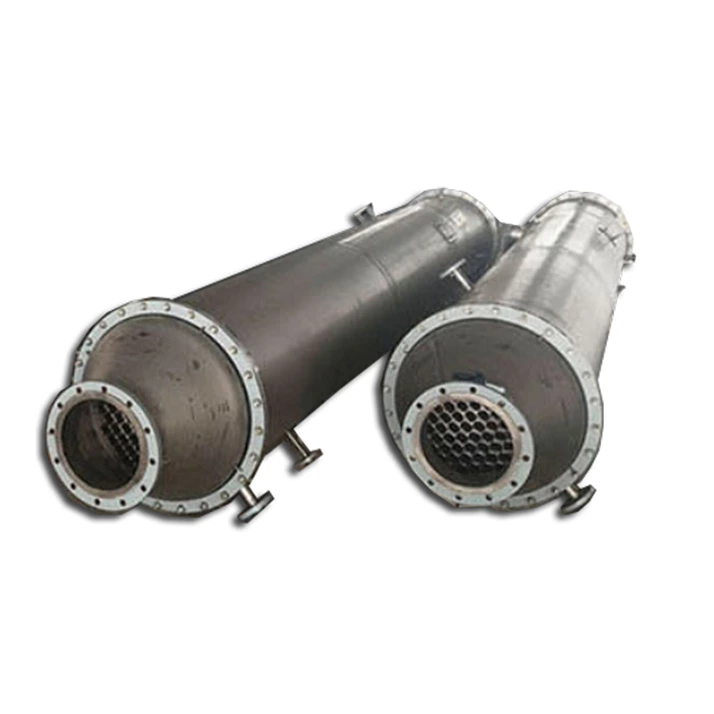
Continuous evaporation crystallization system
Equipment selection:
Forced circulation evaporator: suitable for solutions with high solid content, anti-scaling design extends cleaning cycle;
MVR evaporator: an energy-saving solution that reduces steam consumption by 40%.
Process optimization: Multi-effect evaporation in series is adopted to realize the cascade utilization of thermal energy, and the overall energy efficiency is improved by 25%.
II. Process Selection Decision Matrix
| Evaluation Dimensions | Neutralization method | Transformation method | Ion exchange method | Continuous process |
| Raw material costs | Low | middle | high | middle |
| Environmental compliance | Wastewater treatment required | excellent | excellent | Energy consumption control is required |
| Product purity | 98% | 99% | 99.8% | 98.5% |
| scalability | Small and medium-sized | medium | small | Large |
III. Industrial Application Scenarios
In agriculture: as a raw material for nitrogen fertilizer, it requires a crystal particle size of 0.3-1.0 mm and a hygroscopicity of <2%;
Explosive manufacturing: Chloride ion content must be controlled to <50ppm, and purification must be achieved through ion exchange.
Glass industry: requires crystal whiteness ≥90%, using neutralization method + activated carbon decolorization process.