Features of plate heat exchangers in refrigeration technology
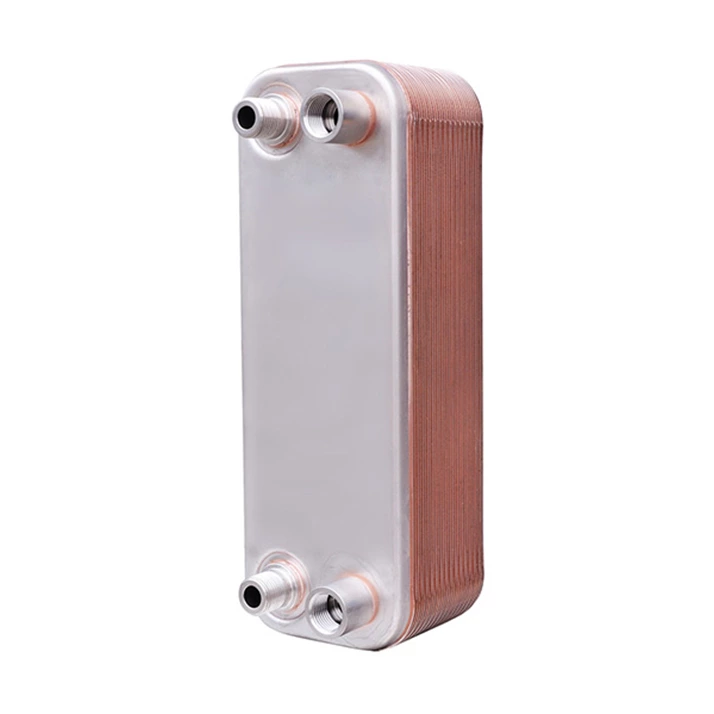
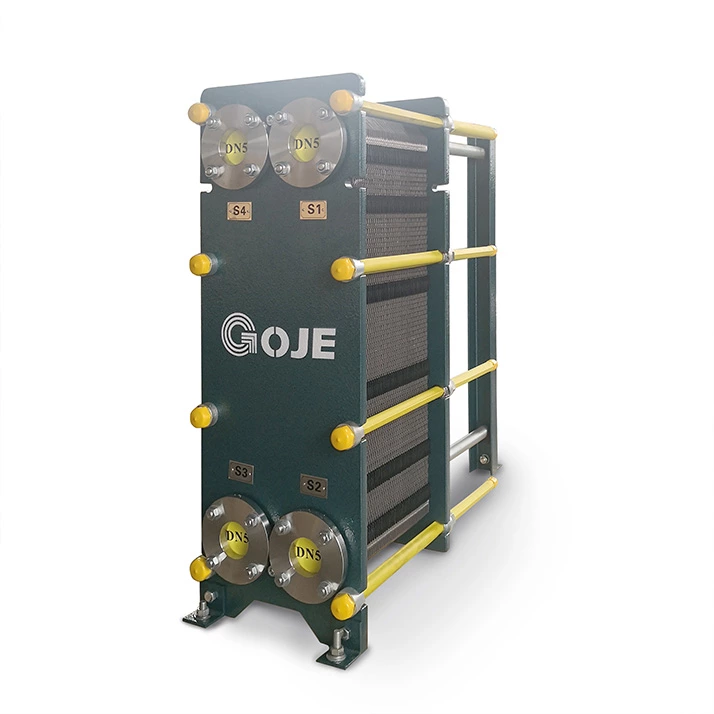
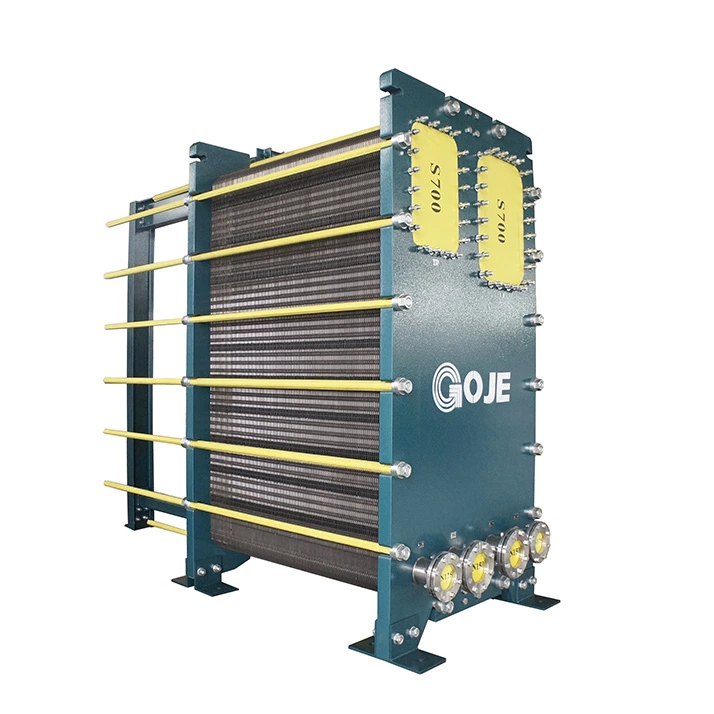
Due to its unique characteristics in manufacturing and use, plate heat exchangers are widely used. Compared with shell-and-tube heat exchangers for refrigeration, in addition to the general characteristics of plate heat exchangers, plate heat exchangers for refrigeration have the following features:
1. Small refrigerant charge, which is beneficial to environmental protection and reduces operating costs.
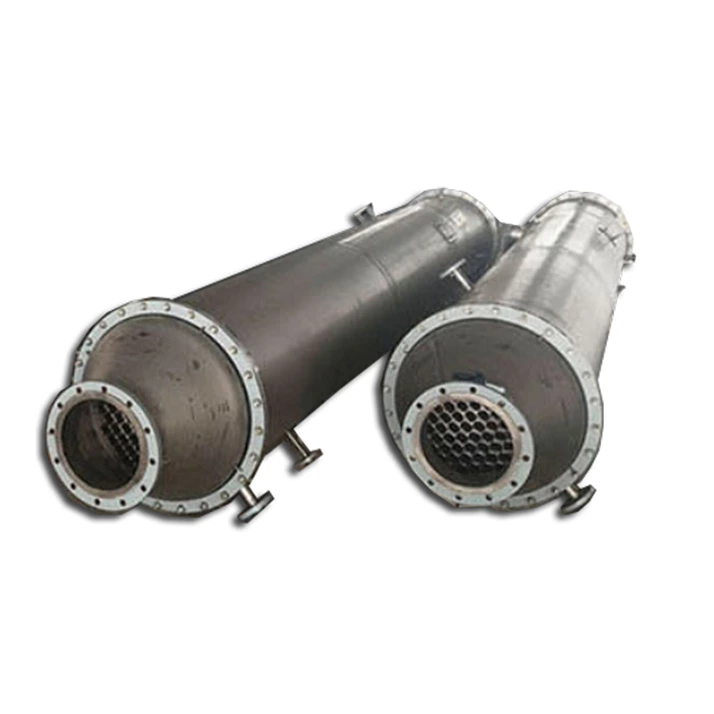
Shell-and-tube heat exchangers have large volumes on both the shell and tube sides. To ensure the refrigeration system functions properly, a large amount of refrigerant must be charged, which can also cause environmental pollution. Plate heat exchangers, on the other hand, are smaller in size and have smaller spacing.
2. Less prone to freezing, high resistance to freezing
Because water can form highly turbulent flow in a plate heat exchanger at low flow rates, the temperature distribution is very uniform, thus reducing the tendency of chilled water to freeze. Even if freezing occurs, it can withstand the pressure generated by freezing, unlike shell-and-tube heat exchangers which are prone to heat pipe bursting, and can continue to be used after freezing.
3. Thorough evaporation and high economic efficiency
When the refrigerant evaporates in a plate heat exchanger, it can easily achieve complete evaporation to a liquid-free state. Therefore, in most cases, a gas-liquid separator is not required in the refrigeration system. Furthermore, it is easily modularized, simple and convenient to install, and saves on maintenance and transportation costs, thus reducing overall expenses.
In refrigeration technology, heat exchangers are indispensable equipment. Condensers, evaporators, regenerators, and intercoolers, among other heat exchange components, account for over 50% of the weight, volume, and metal consumption of the entire refrigeration system, and also significantly impact refrigeration performance. Therefore, enhancing heat transfer in refrigeration heat exchangers, reducing weight and volume, and minimizing metal consumption have always been development directions in refrigeration technology. A new type of fully welded plate heat exchanger has emerged and is showing strong development potential in refrigeration technology.