Reasons for weakened sealing of plate heat exchanger gaskets
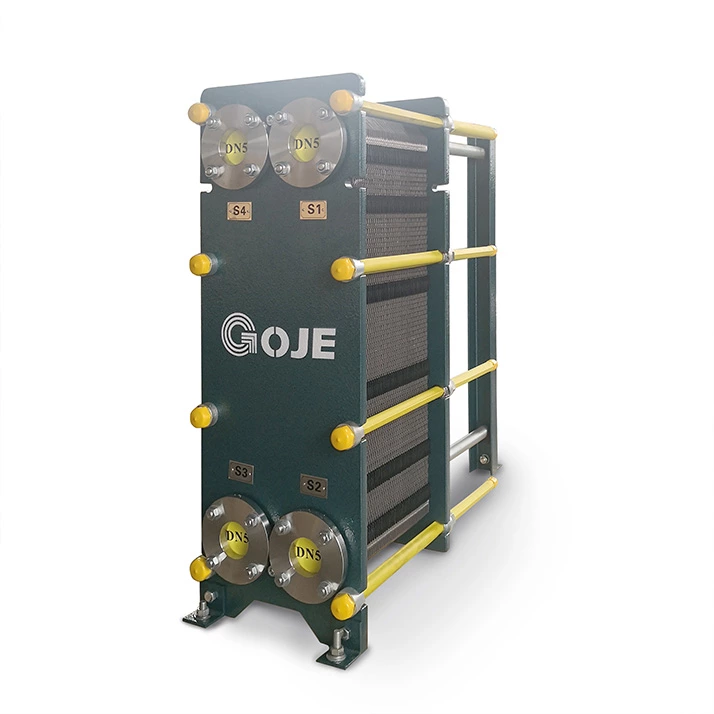
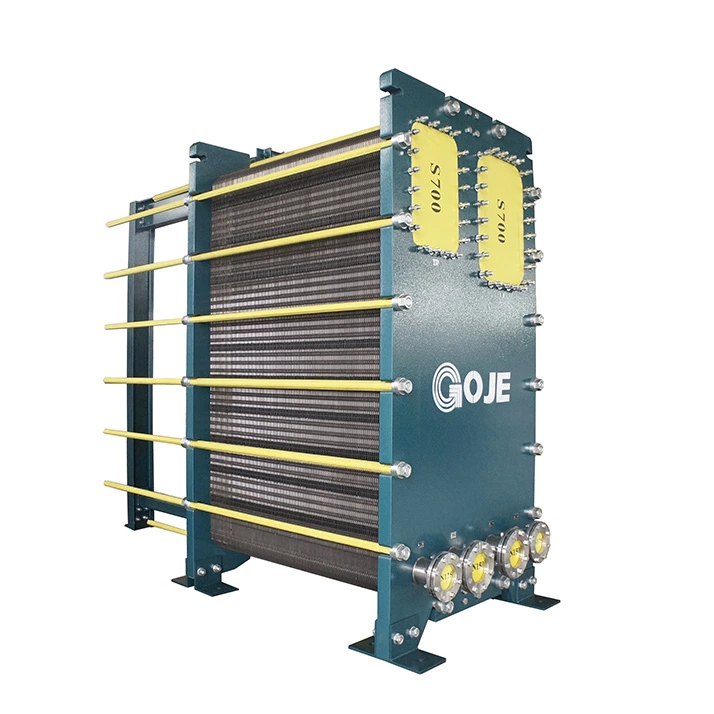
a plate heat exchanger are the plate plates and the sealing gaskets. The development level of the sealing gaskets directly determines the development level of the plate heat exchanger. Plate heat exchanger seal failure is a very important production failure. So what are the reasons for the weakening of the sealing performance of the plate heat exchanger gaskets?
1. Effects of stress:
Leaks in detachable heat exchangers when used within their rated operating pressure are generally related to abnormal impact loads in the system, in addition to manufacturing and assembly quality issues. This is a situation that is not easily detected by ordinary operators. The instantaneous pressure peak caused by the impact is often about twice as high as the normal operating pressure, causing the rubber gaskets installed inside to shift and fail to seal. Because the heat transfer elements of this type of device are made of thin stainless steel sheets, its sealing rigidity is relatively poor, and the sealing perimeter is very long. Therefore, its impact resistance is lower than that of shell-and-tube heat exchangers.
2. Time impact:
Equipment that has been in use or idle for several years may have its sealing material aged, which could affect the reliability of the seal. Therefore, new sealing gaskets should be replaced in a timely manner during maintenance.
3. Temperature effect:
Rapid temperature changes can also lead to seal failure. When the temperature changes rapidly, the linear expansion coefficient and elastic deformation of the rubber gasket and the sealing preload will not match, resulting in a reduction in the sealing preload and causing the device's pressure resistance to be much lower than the rated design pressure.
It can be seen that the sealing gasket is a very core component of the heat exchanger, directly affecting the operating performance of the equipment.