Inspection before using plate heat exchangers
Before using any equipment, it's essential to prepare its components and the operating environment. This will ensure smoother operation afterward. Plate heat exchangers also require this preparation to improve their heat exchange efficiency .
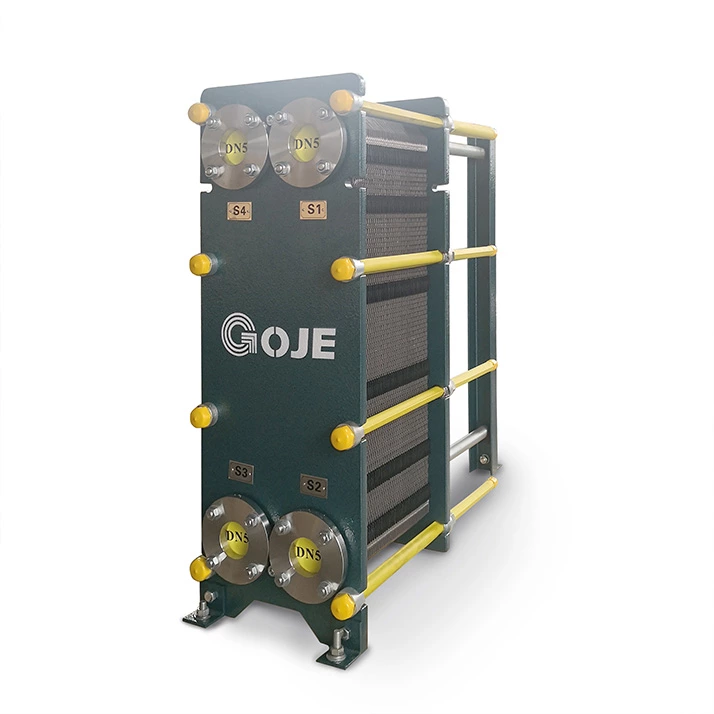
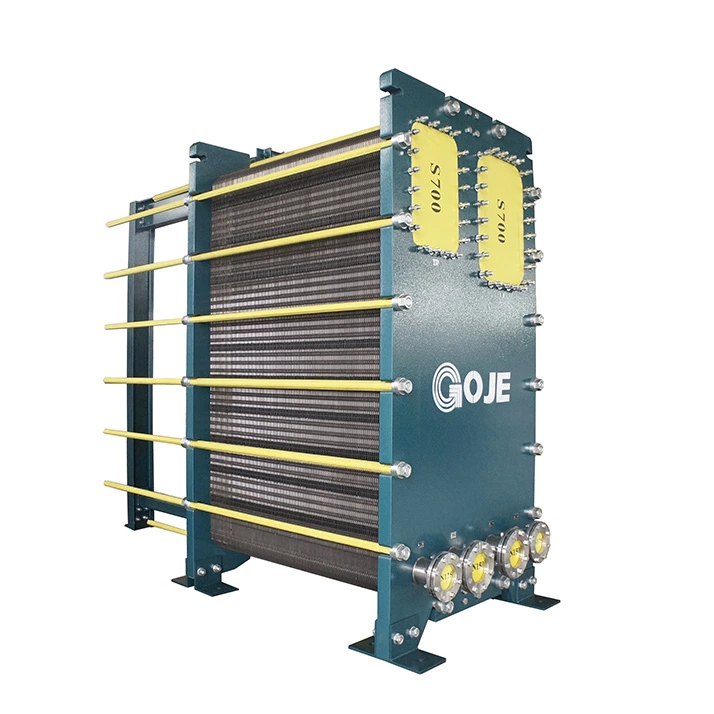
1. Before use, check if the clamping studs are loose and if the clamping dimensions conform to the installation drawing. If not, tighten the studs according to the dimensions specified in the installation drawing, ensuring even tightening around the perimeter and that the parallelism error between the two clamping plates does not exceed 2mm.
2. Before using the plate heat exchanger, conduct a hydrostatic test on the hot and cold sides at 1.25 times the working pressure, holding the pressure for 30 minutes. All sealed parts of the equipment should show no leakage before it can be put into use. The test pressure and holding time can also be performed according to the system specifications, but the test pressure must not exceed the test pressure value on the product nameplate. Do not use wastewater for hydrostatic testing to avoid water corrosion of the plates.
3. An air vent valve should be installed in the plate heat exchanger to remove air from the medium and prevent gas from remaining in the equipment and reducing heat transfer efficiency. The connection of the inlet and outlet pipelines for the hot and cold media of the plate heat exchanger must strictly follow the specifications for the inlet and outlet positions of the hot and cold media of this product. Incorrect connections will result in loss of operating performance or cause accidents.
By inspecting and checking the sealing and venting valves of the plate heat exchanger itself, any malfunctions can be resolved as soon as possible, avoiding any impact on subsequent work processes.