Plate heat exchanger installation
To ensure the optimal performance of a plate heat exchanger, careful attention must be paid to its installation before use. Proper installation guarantees smooth operation of the equipment. Correct installation methods are essential.
1. Foundation Acceptance: Before installing the heat exchanger, inspect the foundation surface, including its planar position, shape, dimensions, and whether the pre-drilled holes meet actual requirements. Also check the anchor bolt positions, ensuring all nuts and washers are present and the threads are in good condition; verify the flatness of the foundation surface where the shims will be placed.
2. Unpacking and Equipment Inspection.
3. Construct a foundation platform and install anchor bolts according to the equipment installation dimensions given in the installation drawing;
4. Avoid violent collisions and damage to the plates during movement and transportation;
5. Inspect and clean the pipes before installation to prevent debris from entering the plate heat exchanger and clogging the flow channels; connect the corresponding pipes and install thermometers and pressure gauges on the pipes near the heat exchanger to facilitate monitoring the operation of the heat exchanger;
6. Place shims: Place shims on the foundation before installing the plate heat exchanger. The placement area needs to be leveled to ensure good contact between the two.
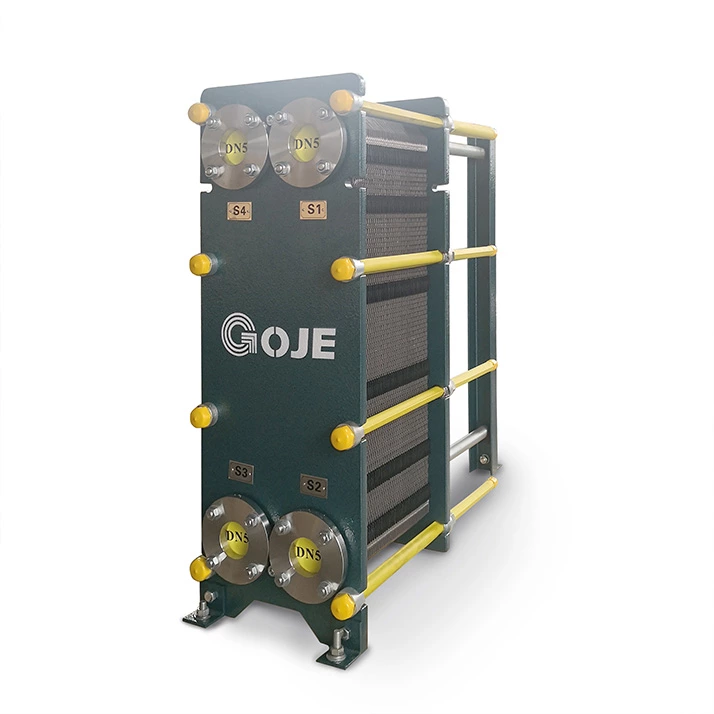
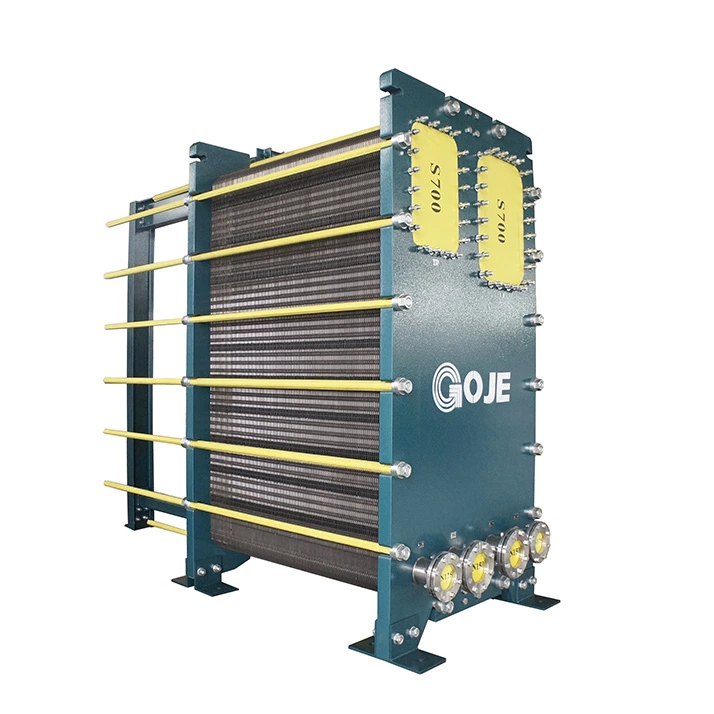
7. Check the clamping studs. If loose, tighten them and reduce the parallelism deviation between the two clamping plates.
8. Unless otherwise specified in the process, generally open the valve of the cold medium on the side requiring heating or cooling first. After the flow is normal, slowly open the valve of the medium on the heat source or cold source side.
9. Based on the inlet and outlet temperature and pressure data, open the relevant valves to appropriate positions and maintain a stable working state.
10. During normal use, temperature and pressure parameters should be recorded frequently, and the equipment's working condition should be checked. The sealing positions of the plate heat exchanger should be checked frequently for leaks, and pressure relief and clamping measures should be taken .
11. When using corrosive or flammable media, it is recommended to add thin sheet metal protection devices to both sides of the plate bundle.
12. Plates can be cleaned with water or chemical cleaning agents using a soft brush.
13. Leveling and alignment: After installation, use a level to level the heat exchanger so that all connections can be made without stress.
Effective installation of plate heat exchangers is crucial for their use. Therefore, extra care should be taken during installation, and it is best to have it done by professional personnel. This will not only ensure proper installation but also prevent damage to the equipment.