Plate-Type Rising Film Evaporator
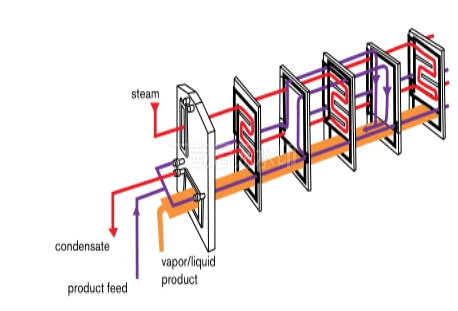
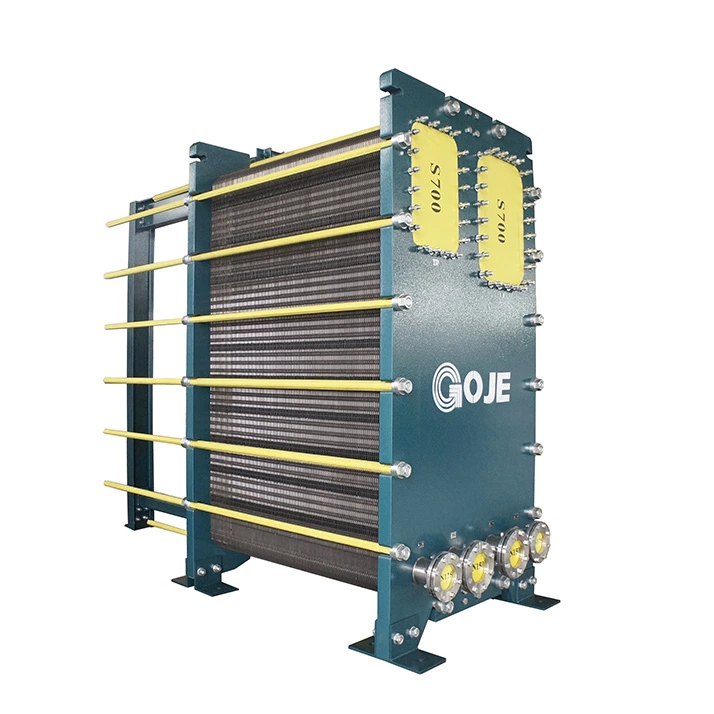
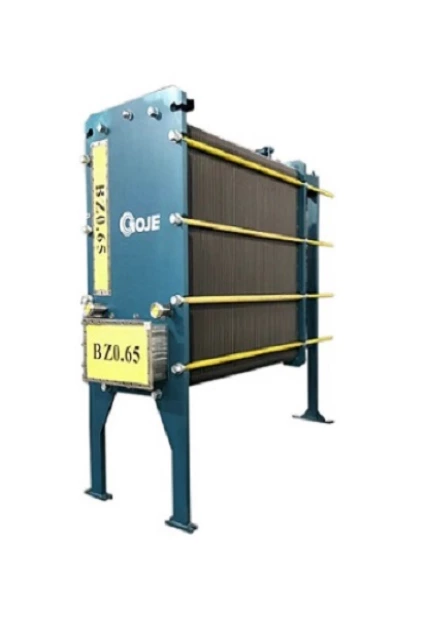 The plate-type rising film evaporator is composed of several plate groups. Each plate group consists of four plates, which form a steam channel, a material rising film channel, a steam channel, and a material falling film channel in sequence. The material first enters the rising film channel through two parallel feed inlets. Heated by steam in adjacent channels, the material begins to evaporate and form vapor bubbles. As the product continues to rise through the plate channels, more and more water vapor evaporates, occupying an increasingly larger area of the channel. Eventually, the center of the channel is completely occupied by steam, while the liquid is squeezed onto the plates to form a thin liquid film. Driven by the steam, the liquid film rises along the plates and evaporates. When the mixture of material and water vapor reaches the top of the plate evaporator, it passes laterally through the second steam channel and directly enters the falling film channel. In the falling film channel, the material is evenly distributed within the channel by a distributor. Under the combined action of gravity and steam, the liquid is squeezed onto the plates to form a thin liquid film. The liquid film descends along the falling film channel, simultaneously evaporating as a thin film under the heating of steam in adjacent steam channels. When the liquid reaches the bottom of the evaporator, it enters a rectangular channel and then a separator for gas-liquid separation. Within the falling film channel, gravity further promotes the movement of the film, and this rapid movement is key to a low residence time.
Ordinary plate-type rising film or falling film evaporators consist of two plates forming a plate group, while rising film evaporators consist of four plates forming a plate group. Each plate group has only one material channel in a rising film evaporator and two material channels connected in series in each rising film evaporator group. Normally, rising film evaporators do not require circulation, meaning that the material at the bottom of the separator does not return to the previous evaporator and all enters the next evaporator. However, due to insufficient wetting in rising film or falling film evaporators, in order to prevent coking and dry walls, some material must return to the previous evaporator to increase the wetting amount in the previous evaporator. This prolongs the heating time and residence time of the material inside the evaporator, which is extremely detrimental to heat-sensitive materials.
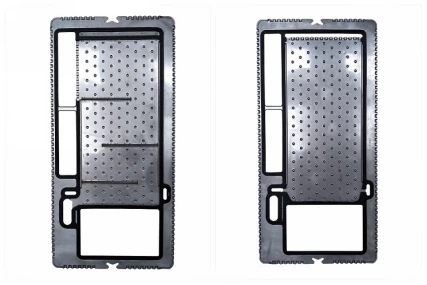
Plate-type rising film evaporators are a type of thin-film evaporator. The product forms a thin film only on the heat transfer surface, rather than filling the entire cavity, significantly reducing the product's residence time inside the evaporator. During evaporation, the heat transfer surface is at a higher temperature than the product. To prevent discoloration and deterioration due to excessive temperature difference, the temperature difference between the heat transfer surface and the product should be minimized. Thin-film evaporators can operate at a low temperature difference (minimum 3.5℃), with the product and heat transfer surface at nearly the same temperature. Therefore, thin-film evaporators offer the dual advantages of low residence time and low temperature difference.
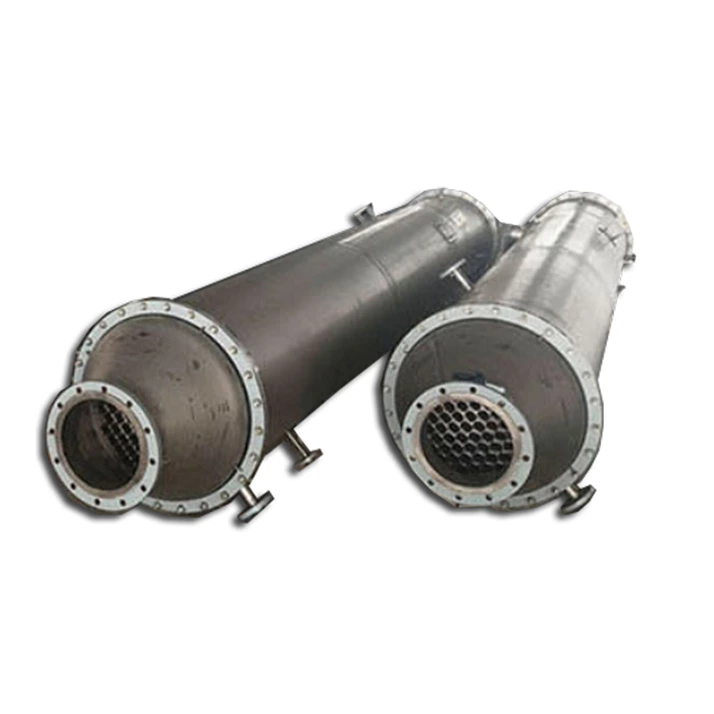
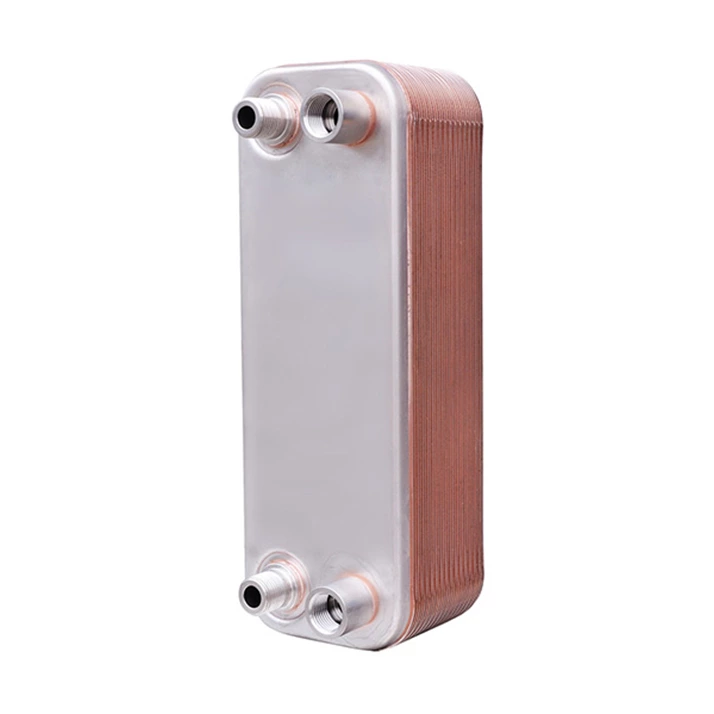
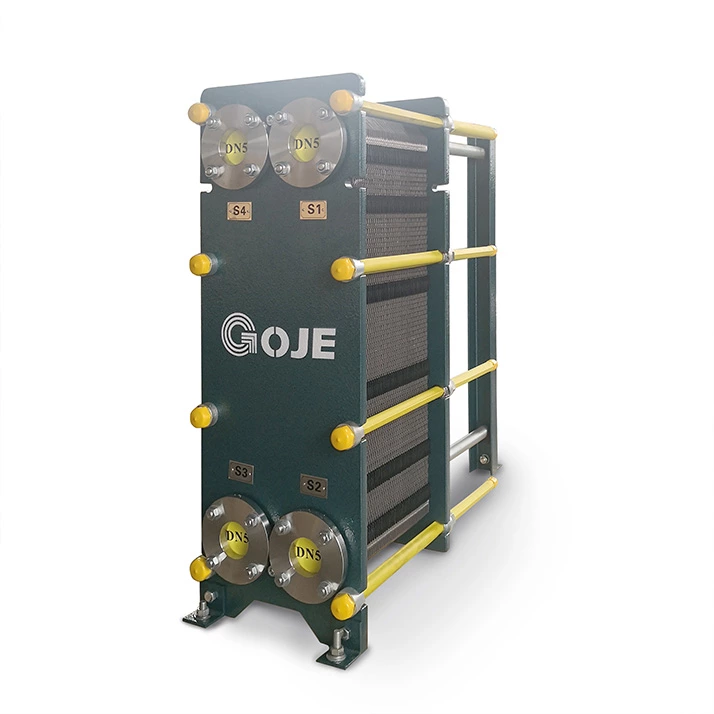
The plates of the rising film evaporator are bubble-type, not the traditional herringbone corrugated type. Although this results in a slight loss of heat transfer intensity, the bubble-type plates offer better throughput and fewer dead zones, essentially eliminating dead zones and facilitating thorough cleaning. This makes it more suitable for concentrating food-grade materials. Plate evaporators generally have higher heat transfer efficiency than shell-and-tube evaporators, approximately 1.5 times that of shell-and-tube evaporators. Under the same operating conditions, plate evaporators require a smaller footprint and are less expensive.
Plate-type rising film evaporators are generally not suitable for concentrating materials with severe scaling, high concentration, high viscosity, or solid precipitation.