Working principle, advantages and disadvantages of plate-tube combined evaporators
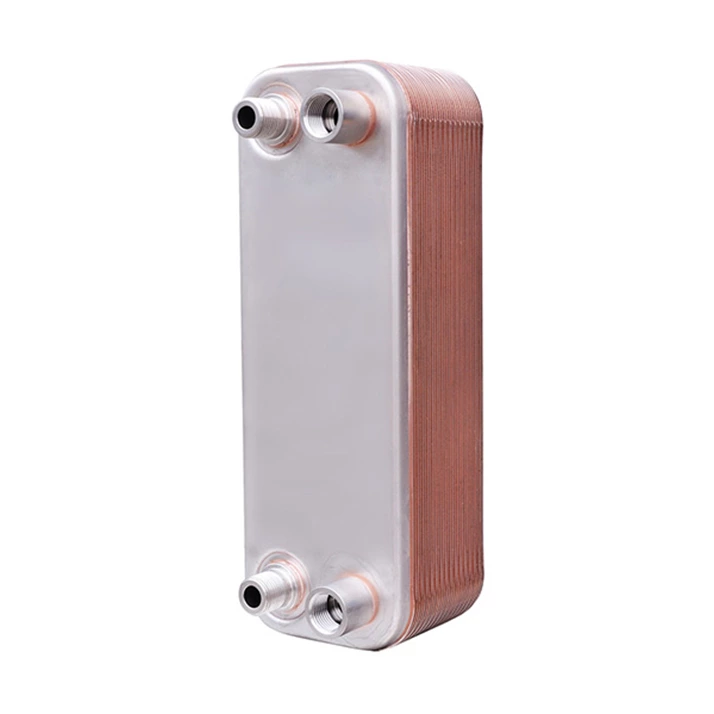
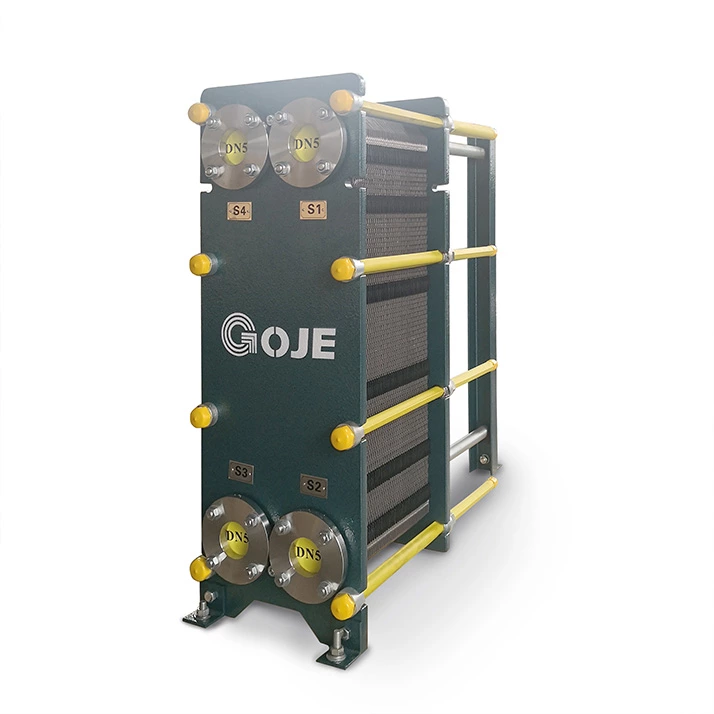
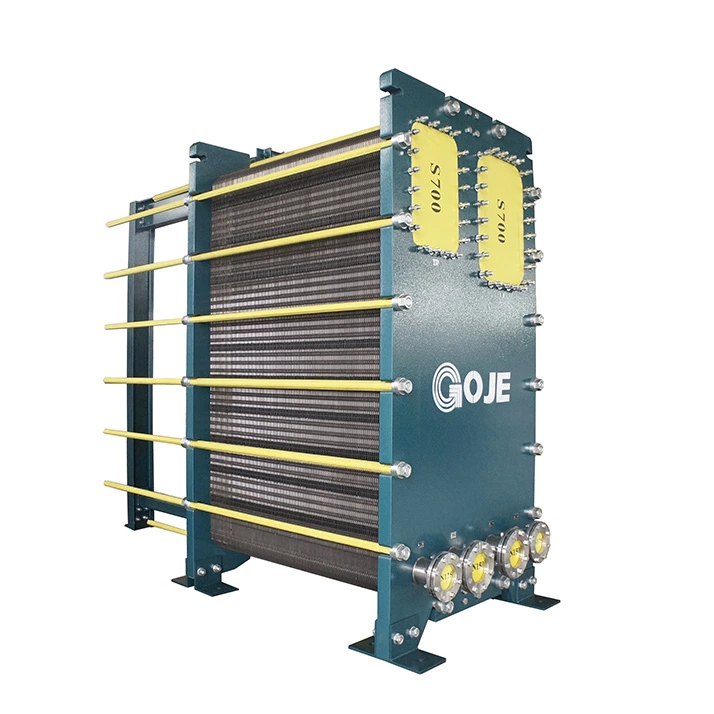
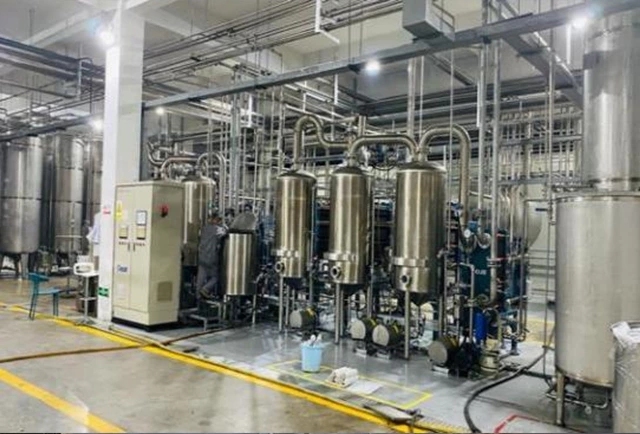
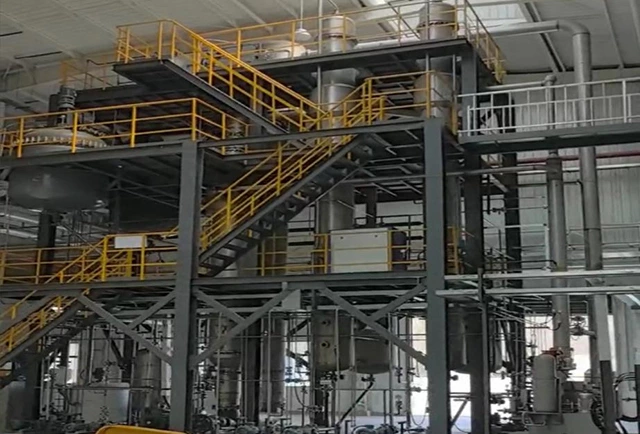
The working principle of a plate-tube evaporator : The first effect uses a plate evaporator. Fresh saturated steam (live steam) from the boiler condenses on the heating side of the plate evaporator, releasing a large amount of latent heat. The steam on the heating side condenses into water and is discharged. Simultaneously, this heat passes through the plates, causing the solution on the material side to boil, generating a large amount of secondary steam. The second effect uses a plate evaporator, with the heat source being the secondary steam generated in the first effect. This steam enters the heating side of the second effect, condenses again, and releases heat. This heat causes the material in the second effect (the concentrated liquid from the first effect) to boil, generating even lower-temperature secondary steam. The third effect uses a shell-and-tube evaporator.
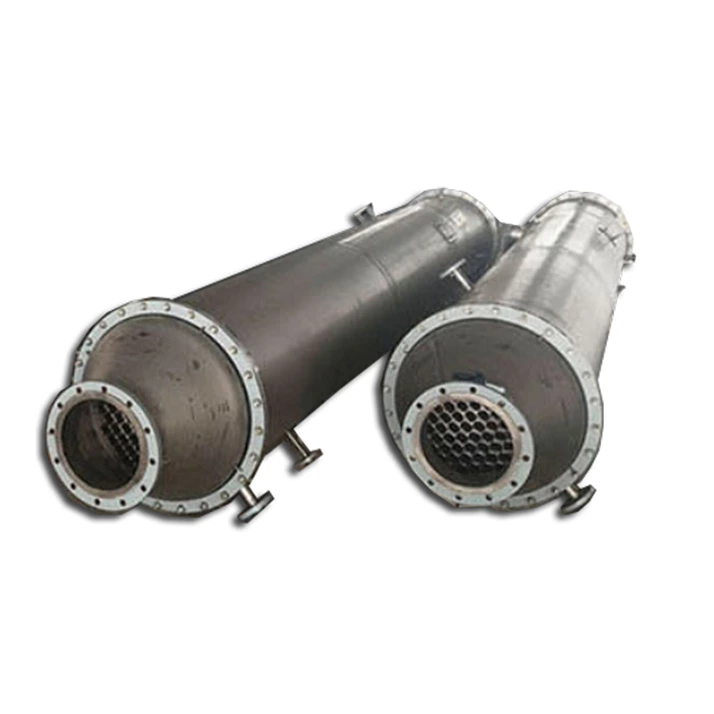
The heating source is the secondary steam generated in the second effect. This steam enters the shell side of the third-effect shell-and-tube evaporator, where it condenses and releases heat. This heat causes the material with the highest concentration in the third effect to boil, generating the lowest-temperature secondary steam. This steam enters the condenser and is condensed into water by cooling water before being discharged. The last effect of the system typically maintains a high vacuum to lower the boiling point of the solution, increase the temperature difference with the steam from the previous effect, and ensure the heat transfer motive force.
Advantages of combining plate and tube evaporators :
1. Delays system scaling and optimizes cleaning cycles.
Pre-fouling control: Most materials are most prone to fouling at high temperatures. The high-turbulence design of plate evaporators can significantly slow down the fouling process.
Ease of cleaning: Scaling mainly occurs on the easier-to-clean plate evaporator side (the first two effects), rather than on the more difficult-to-clean tube-type last effect. This makes online cleaning faster and more efficient, reducing overall downtime.
2. Fast system startup and response speed
Plate evaporators have a small solution holding capacity and a small heat capacity, so the first two effects heat up extremely quickly;
The entire system can reach a stable working state more quickly and is more sensitive to fluctuations in feed flow rate and concentration, making it suitable for discontinuous or variable load production.
3. Compact spatial layout;
The first two effects, which bear the main evaporation load, are small in size, which saves a lot of floor space and is conducive to renovation or new construction in space-constrained plant areas.
4. Strong final-stage treatment capacity and stability
Using robust, wide-channel tube evaporators to handle the final-effect conditions with the highest concentration, highest viscosity, potential crystallization, or trace amounts of solids fundamentally avoids the risk of plate evaporators clogging in the final effect.
The tube evaporator serves as the "ballast" of the system, improving the reliability of the entire unit in handling complex materials and coping with extreme operating conditions.
Disadvantages of combining plate and tube evaporators :
1. High system design and control complexity
The hydraulic balance is complex: plate evaporators have narrow flow channels and large pressure drops, while tube evaporators have small pressure drops. Connecting the two in series requires precise fluid dynamics calculations to ensure smooth flow of materials and secondary steam in each effect and to prevent "pressure buildup" or "dry tank".
2. Initial investment and maintenance costs may be higher.
Equipment cost: Plate evaporators used in high-temperature and high-pressure conditions (especially when special materials are required) have high unit heat exchange area costs. Although the total area may be reduced, the total investment for the first two effects accounts for a high proportion.
Maintenance spare parts: It is necessary to keep spare parts such as plates/gaskets for plate evaporators and tube bundles for tube evaporators, which increases inventory costs and the skill requirements of maintenance personnel.
3. Not suitable for materials containing particles or fibers.
Even with the first two effects, plate evaporators are almost incapable of handling any materials containing suspended solids or long fibers, as their narrow flow channels quickly become clogged, severely limiting the range of materials that this combination can be used with.