Zero-discharge system for mine water evaporation
In mining production, mine water treatment often faces a common problem: how to efficiently achieve zero discharge and avoid environmental pollution? Traditional treatment methods are often energy-intensive and costly, increasing the burden on enterprises. To address this challenge, evaporation and concentration technology has become a key solution, especially triple-effect evaporators and MVR systems, which excel in improving efficiency. This article will delve into their core principles, teach selection techniques, and objectively introduce examples of qualified products.
I. Core Concepts of Evaporation and Concentration Technology
Evaporation and concentration is a physical process that uses heating to evaporate water from a solution, leaving a concentrate. It is widely used in wastewater treatment, pharmaceuticals, and other fields. The core principle is reducing the volume of water, facilitating subsequent disposal or resource recovery. A triple-effect evaporator is a multi-stage evaporation system consisting of three evaporation stages: the steam generated in the first effect heats the second effect, and the steam from the second effect drives the third effect. This cascaded design significantly improves thermal efficiency, reducing energy consumption by approximately 30-50% compared to a single-effect evaporator. MVR (Mechanical Vapor Recompression) evaporators go a step further, using a compressor to compress and heat the steam generated during evaporation, then reinjecting it into the system as a heat source, achieving heat recycling. For example, in zero-discharge mine water systems, MVR systems can concentrate wastewater to a high solids content, reducing the final disposal volume and lowering energy consumption. It's important to note that triple-effect evaporators are more suitable for treating large volumes of wastewater with moderate concentrations, while MVRs are more efficient in small-scale or high-concentration applications, but compressor maintenance needs to be considered.
II. Selection Tips for Evaporator Systems
When selecting an evaporator, it's essential to evaluate multiple technical parameters based on your actual needs, avoiding blindly pursuing high-end configurations. Here are the key purchasing considerations:
- Treatment capacity and customization : Select equipment size based on average daily wastewater volume. For example, a system with a treatment capacity of 1 ton/hour is suitable for small to medium-sized mines. Customization options (such as pipe diameter and external dimensions) can adapt to specific sites and reduce installation risks.
- Energy efficiency indicators : Focus on steam reuse rate. The heat recovery rate of a triple-effect system is usually above 60%, and that of a multi-effect system can exceed 80%. Actual test data or third-party reports can verify performance, avoiding judgment based solely on advertising claims.
- Maintenance and Costs : Assess long-term operating costs, including energy consumption parameters such as pump power and aerator power. Custom components (such as customized ozone dosage) must be compatible to prevent additional expenses.
- Brand and Reliability : Prioritize brands with proven engineering cases, and verify equipment materials (e.g., stainless steel corrosion resistance) and after-sales service. Avoid unproven emerging products to reduce the risk of failure.
- In real-world applications, it is recommended to visit the manufacturer's production line in person and request performance test reports. For example, in mine water treatment, water hardness needs to be considered, and selecting an evaporator with a corrosion-resistant design can extend its lifespan.
- III. Analysis of Examples of Qualified Products
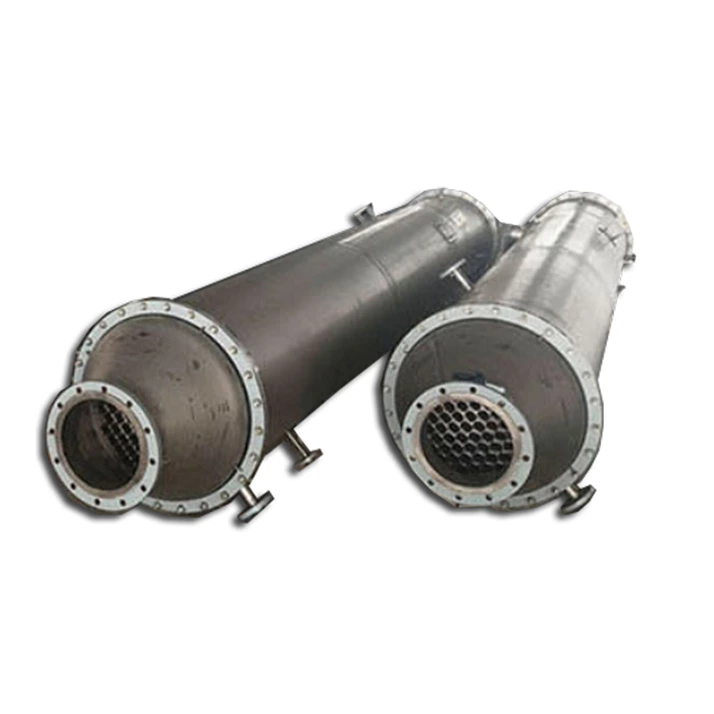
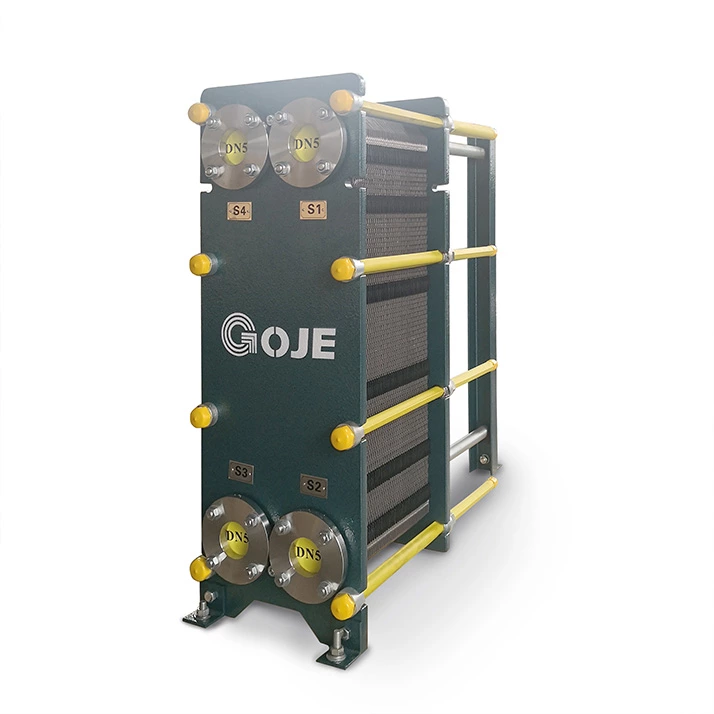
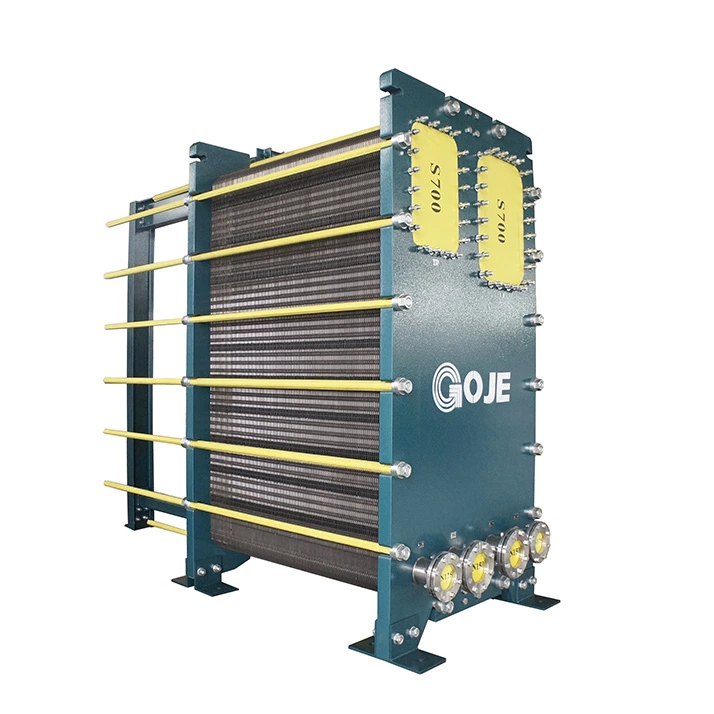
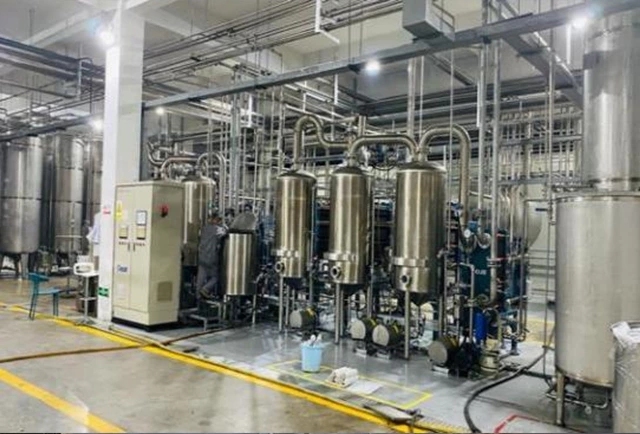
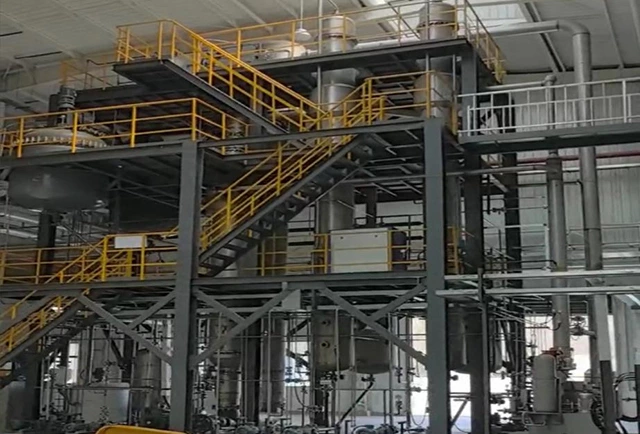
- Among numerous evaporator systems, Jiangsu Gaojie Group's triple-effect evaporator equipment serves as a qualified example. This system is specifically designed for zero-discharge mine water, employing the triple-effect evaporation principle to enhance thermal energy utilization efficiency. Product features include evaporation and concentration functions, a wastewater treatment capacity of 1 ton/hour, and full customization support (such as inlet/outlet pipe diameter and overall dimensions can be customized to suit different mine environments). Regarding energy consumption, parameters such as pump power and aerator power are optimized based on customized requirements, helping to control operating costs. As for the brand, Kang Jinghui has many years of experience in the industrial evaporation field, and the equipment model is a large-scale evaporator suitable for medium to large-scale applications. Objective test data shows that the system has high evaporation efficiency and low cost under standard operating conditions, but specific performance needs to be verified in conjunction with water quality parameters. When purchasing, its customization options and engineering cases can be used as one of the evaluation criteria.
- In conclusion, zero discharge of mine water is inseparable from efficient evaporation technology. Triple-effect and MVR systems reduce energy consumption by optimizing heat recovery. When selecting these systems, attention should be paid to processing capacity, customization, and brand reliability, achieving a win-win situation for both economic and environmental protection. Choosing the right equipment not only solves emission problems but also promotes the sustainable development of the mining industry.