Reduce costs and increase efficiency! How to choose an evaporation system
Industrial production generates a large amount of high-salinity wastewater. If this wastewater is discharged directly, it will cause serious harm to the human living environment. Improper disposal is a waste of resources. How to make wastewater resources is a major pain point for enterprises today.
1. Key Challenges of High-Salinity Wastewater Treatment
(1) Salinity inhibition: High salt content destroys the osmotic pressure of microorganisms, rendering conventional biochemical methods ineffective;
(2) Complex composition: often accompanied by high COD, ammonia nitrogen, heavy metals, recalcitrant organic matter, scale ions such as silicon, calcium, and magnesium, pollutants interfere with each other, making treatment much more difficult.
(3) Compliance and cost: Traditional processes have high energy consumption, high reagent costs, and are prone to generating hazardous waste salts.
(4) Equipment corrosion and scaling.
2. High-salinity wastewater treatment process
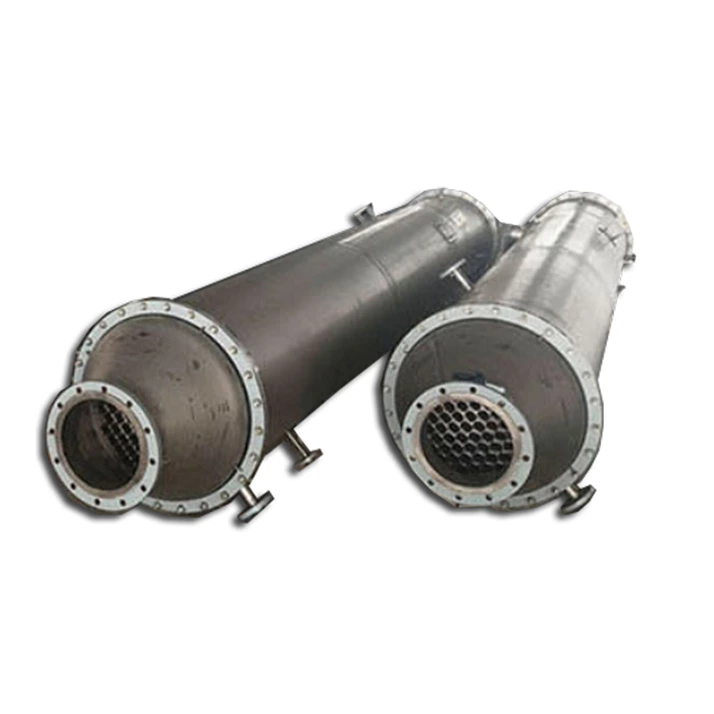
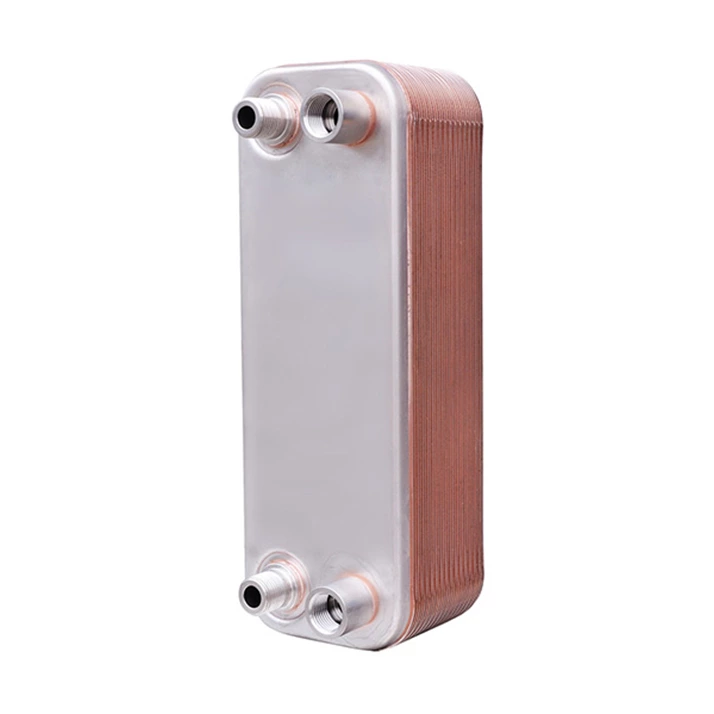
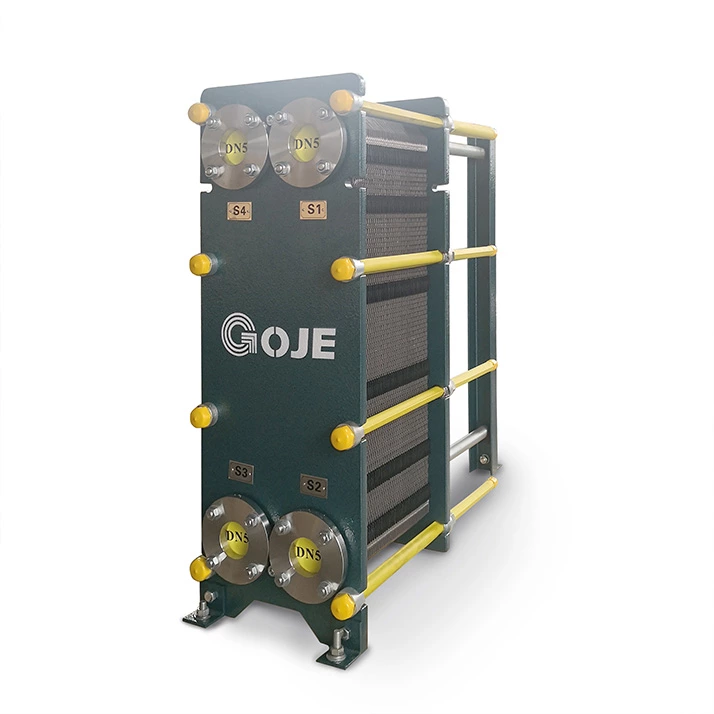
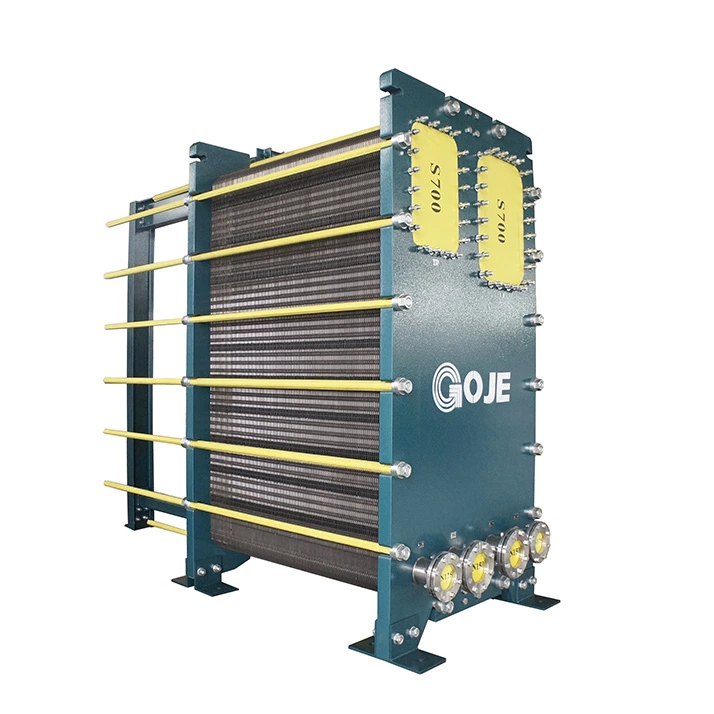
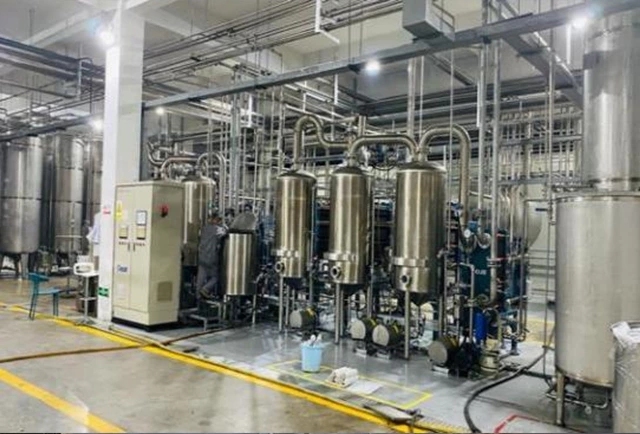
Mechanical vapor recompression (MVR) evaporators, single-effect/multi-effect evaporators
Principle: By evaporating and separating water, and causing salts to crystallize and precipitate, the salt content of the evaporated condensate is greatly reduced, thereby reducing the environmental pressure and cost of wastewater treatment.
3. Process selection for high-salinity wastewater
There are various types of evaporators for high-salt wastewater, and the applicable equipment varies depending on the operating conditions. The appropriateness of the selection directly affects the treatment effect of high-salt wastewater, the operating cost of the equipment, and its service life. Therefore, mastering the scientific selection method is crucial.
The salinity and composition of the water affect the selection of equipment and processes. Different salinity levels result in different boiling points for wastewater, and different salinity components also have different boiling points. The saturation boiling point temperature rise can be determined theoretically or experimentally based on the type of salinity component. Equipment types can be selected based on this temperature rise, such as MVR evaporation systems or multi-effect evaporation systems. Evaporator processes can be matched to the salinity level, such as rising film evaporation, falling film evaporation, and forced circulation processes.
The composition of water directly affects the selection of equipment materials. Salt content and corrosivity are directly related, especially under high-temperature conditions, where the higher the temperature, the more reactive and corrosive the metal. The salt content of high-salt wastewater also directly affects the evaporator's processing capacity and material selection. Higher salt content increases the evaporator's corrosivity and scaling. For example, high-salt wastewater containing chloride ions causes severe corrosion, requiring corrosion-resistant materials such as titanium alloys or super duplex stainless steel. For non-chloride wastewater, 316L stainless steel or ordinary duplex stainless steel is generally sufficient.
Viscosity and scaling tendency: The viscosity of wastewater affects its flow state within the evaporator, thus impacting heat transfer and evaporation efficiency. For high-viscosity or scaling-prone wastewater, such as wastewater containing calcium and magnesium ions, forced circulation evaporators are recommended to prevent coking and scaling caused by excessively slow material flow rates and to avoid dead zones in the flow.
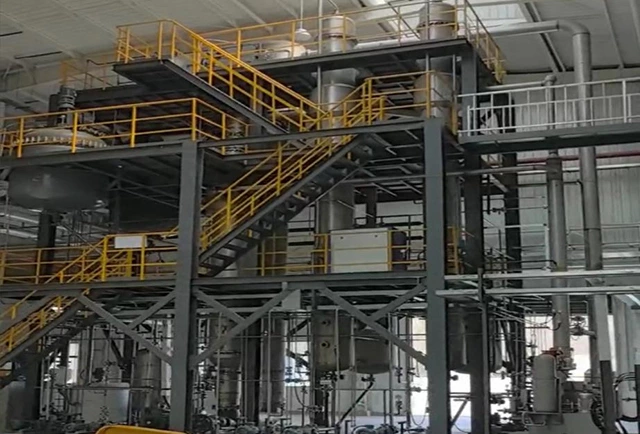
Evaporation capacity to match treatment requirements: The evaporator capacity is determined based on the volume of high-salinity wastewater to be treated. The larger the treatment capacity, the larger and more powerful the required evaporator. Most evaporators are custom-made to fit the actual treatment needs based on the feed rate.
Evaporation methods: High-salinity wastewater evaporators employ various evaporation methods, commonly including falling film evaporation, forced circulation evaporation, and a combination of falling film and forced circulation processes. Falling film evaporators are suitable for water with low concentration, viscosity, and hardness; forced circulation evaporators perform well in treating solutions prone to scaling and with high viscosity. When selecting an evaporator, the appropriate evaporation method should be chosen based on the wastewater characteristics and treatment requirements.
4. Evaporation system control
A sophisticated control system can accurately control various parameters of the evaporation process.
A high degree of automation is beneficial to improving processing efficiency and product quality; evaporators with a high degree of automation and high control precision can achieve real-time monitoring and precise control of parameters such as temperature, pressure, and liquid level, ensuring stable equipment operation.
5. Assess economic and environmental benefits
Investment Costs: The overall budget and long-term operating costs are considered, including the purchase, installation, and commissioning of the evaporator equipment. Operating Costs: Targeted treatment processes and customized non-standard treatment systems significantly reduce power and steam consumption during equipment operation through process and equipment selection, thereby lowering energy, maintenance, and cleaning costs. Environmental Indicators: Adhering to environmental requirements, high-salt wastewater evaporators that do not cause secondary pollution during operation are selected. Attention is paid to environmental indicators such as evaporator noise and exhaust emissions to ensure compliance with relevant standards. Gaojie Group helps enterprises achieve green production.
Selecting the right evaporator for high-salinity wastewater is a systematic process that requires comprehensive consideration of factors such as wastewater characteristics, treatment needs, technical specifications, and economic and environmental benefits. Only by thoroughly analyzing all factors and selecting equipment that is highly compatible with the actual operating conditions can the effectiveness of high-salinity wastewater treatment be guaranteed while reducing operating costs for enterprises, achieving a win-win situation for both environmental protection and economic benefits.