Substation wastewater
Technical Background
Substations are mostly located in areas with underdeveloped municipal conditions and poor infrastructure. The wastewater treatment methods at most substations are rudimentary, with untreated or substandard wastewater being discharged directly, impacting the surrounding water environment. From another perspective, the direct discharge of organic matter in wastewater, which serves as plant nutrients, without utilization represents a waste of resources. Therefore, proper purification and reuse are crucial for substation wastewater treatment and a concrete application of "resource reuse."
Handling method
Currently, the treatment and discharge of domestic sewage from substations mainly involves the following methods:
(1) Domestic sewage is treated in septic tanks before entering the municipal sewage network;
(2) Domestic sewage is treated in septic tanks and then enters the rainwater system or the external drainage ditch;
(3) Domestic sewage enters the underground sewage treatment system through the regulating tank and finally enters the station area drainage system or collection tank.
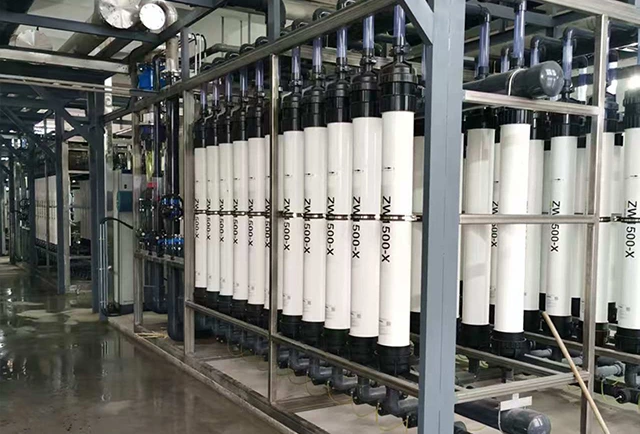
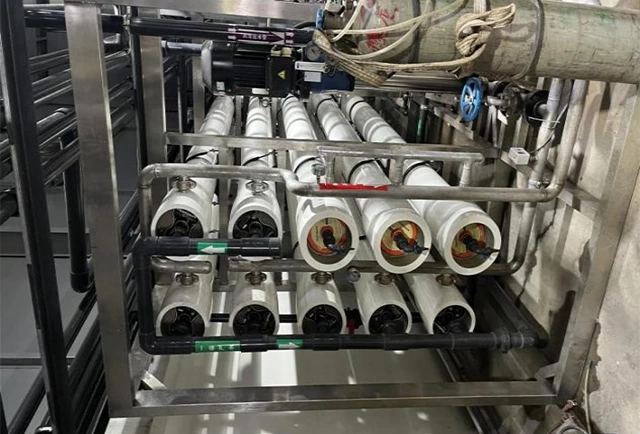
Discharging treated wastewater from substations into the environment wastes resources and negatively impacts the surrounding environment. With increasingly stringent environmental regulations, the environmental management of power grid construction projects faces greater challenges. To comply with these regulations and achieve on-site treatment and utilization of substation wastewater without external discharge, a zero-discharge wastewater treatment device for substations is urgently needed.